motorcycle in battlefield
Introduction to Drone Technology in Warfare
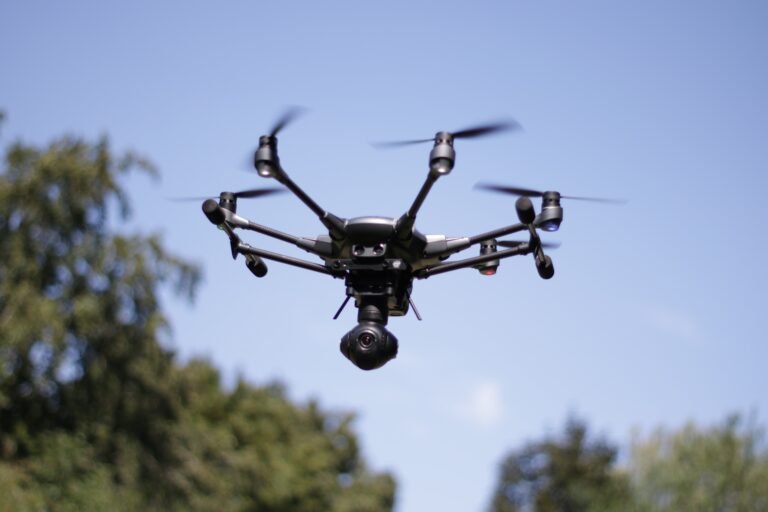
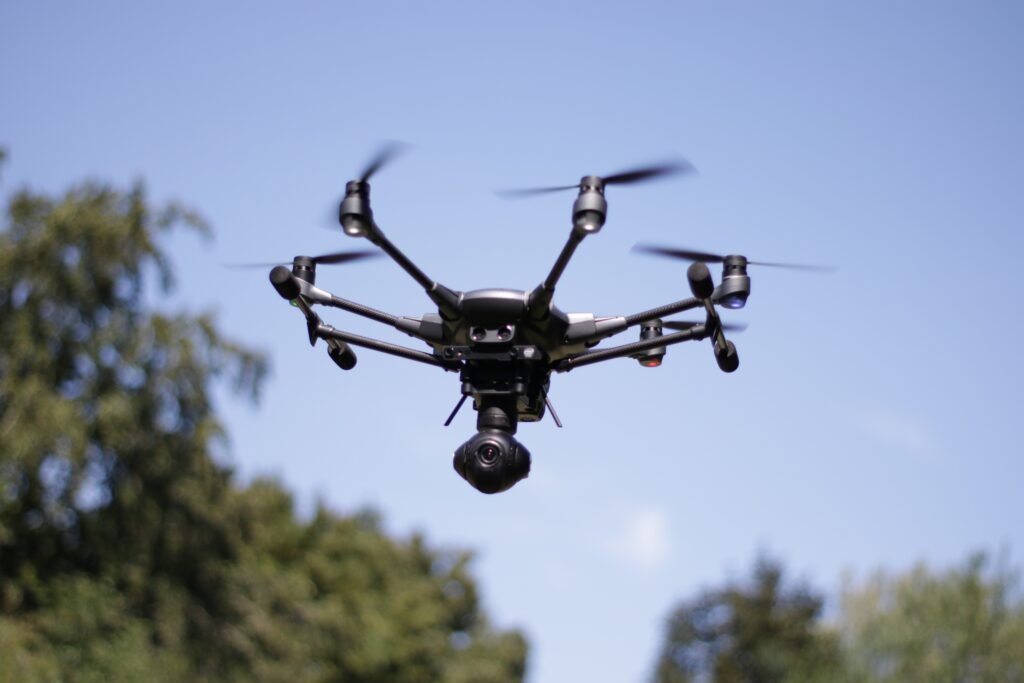
In recent years, the evolution of drone technology has significantly transformed the landscape of modern warfare. Initially developed for reconnaissance and surveillance, drones have increasingly assumed diversified roles, from tactical intelligence gathering to direct combat support. Their ability to operate in contested environments with agility and precision has reinforced their importance on the battlefield, particularly in conflicts such as the ongoing Ukraine-Russia situation.
The use of drones in military operations has broadened, with capabilities extending beyond mere aerial observation. They have demonstrated effectiveness in intercepting enemy artillery and providing real-time situational awareness, which is crucial in conflict zones where rapid decision-making can dictate the outcome of military engagements. This transformation has enabled forces to conduct operations with reduced risk to personnel while enhancing strike accuracy. Furthermore, drones can be deployed at a fraction of the cost of traditional military assets, offering budget-conscious solutions for defense initiatives.
In the context of the Ukraine-Russia conflict, the strategic employment of drone technology has proven pivotal. Ukrainian forces have utilized drones not only for surveillance but also to identify and disrupt Russian artillery positions effectively. The ability to coordinate drone operations with artillery strikes allows for precision targeting and minimizes collateral damage, marking a shift in how engagements are conducted. As drones continue to evolve, their role in warfare is expected to grow even further, enhancing the capabilities of military forces and impacting the strategic landscape worldwide. The ongoing conflict illustrates a notable case study of how drone technology is reshaping military operations, illustrating the necessity of adapting to new forms of warfare.
The Ukrainian Response to Artillery Threats
The ongoing conflict in Ukraine has necessitated a profound adaptation of military strategies to address the growing threats posed by Russian artillery. Artillery has historically been a pivotal element in Russian military tactics, providing overwhelming firepower capable of inflicting significant damage on opposing forces and civilian infrastructures. Recognizing this threat, Ukrainian military strategists have prioritized the identification and neutralization of artillery as a vital component of their defense operations.
In the face of an evolving battlefield, Ukraine has focused on developing innovative countermeasures. This includes the integration of advanced drone technology, which allows for improved intelligence, surveillance, and reconnaissance (ISR) capabilities. Drones serve as eyes in the sky, enabling Ukrainian forces to pinpoint artillery locations with precision, track movements, and conduct real-time threat assessments. By effectively employing drone technology, Ukraine has been able to shift the dynamics of the conflict, turning the tide against concentrated Russian firepower.
Furthermore, the Ukrainian military has invested in training personnel to operate this new technological arsenal efficiently. This approach enhances not just the military effectiveness but also fosters a culture of adaptability within the armed forces. The incorporation of drones into existing military frameworks allows for rapid response protocols and the ability to execute precision strikes on identified artillery positions. This strategic innovation is crucial, as it transforms the previously one-sided artillery engagement into a more balanced confrontation.
As the conflict continues, the emphasis on drone technology and refined military strategies signifies Ukraine’s commitment to safeguard its sovereignty. Adapting to the artillery threats posed by Russian forces through such advancements not only demonstrates resilience but also cultivates an enduring response within its military doctrine, ensuring preparedness for future challenges on the battlefield.
Types of Drones Used by Ukrainian Forces
Ukrainian forces have adopted a diverse range of drones to meet the operational demands of the ongoing conflict, particularly in the realms of surveillance and counter-artillery capabilities. Among the types utilized are commercially available models, like the DJI Mavic series, which are favored for their portability, ease of use, and advanced imaging capabilities. These drones are equipped with high-resolution cameras and can be deployed for reconnaissance missions, enabling troops to gather real-time intelligence on enemy positions and movements.
Additionally, Ukrainian forces have integrated custom-built drones into their arsenal, designed specifically for military applications. These can range from modified civilian drones to completely overhauled platforms that incorporate advanced technologies. An example includes fixed-wing models that boast longer flight times and can cover larger areas, providing extensive aerial surveillance. These units often carry thermal imaging and electronic warfare equipment, enhancing their ability to locate and track Russian artillery systems.
The increasing sophistication of drone technology has allowed Ukrainian forces to improve their targeting capabilities significantly. Drones have become instrumental in detecting enemy artillery locations through sound and vibration detection systems, allowing for faster response times in neutralization efforts. Some systems are equipped with laser designators, allowing them to guide precision munitions to their targets, thus minimizing collateral damage while maximizing operational efficiency.
This blend of commercially available models and bespoke drone technologies exemplifies the adaptive approach of Ukrainian forces in leveraging aerial capabilities. By incorporating these sophisticated systems into their military strategy, they are effectively altering the dynamics of battlefield engagement, demonstrating the pivotal role that drones play in modern warfare. The future of this technology in the context of the ongoing conflict remains a focal point for both military analysts and strategists alike.
Technological Innovations in Drone Surveillance
The effectiveness of drone surveillance in modern warfare, particularly in the context of the ongoing conflict between Ukraine and Russia, can be significantly attributed to several technological innovations. These advancements have transformed drones into indispensable tools for identifying and tracking artillery positions, ultimately aiding in strategic military operations. Key components contributing to the efficacy of drone surveillance include advanced sensors, state-of-the-art imaging technology, and robust communication systems.
One of the most notable innovations in recent years has been the incorporation of high-resolution sensors in drones. These sensors enable aerial vehicles to capture detailed imagery of the battlefield, providing actionable intelligence regarding enemy positions. By using multispectral and thermal imaging capabilities, drones can detect artillery even in challenging environmental conditions, such as smoke or foliage cover. This allows for effective monitoring of movement and ensuring precise targeting during military actions.
In conjunction with enhanced sensors, improved imaging technology plays a crucial role in the success of drone surveillance. For instance, drones are now equipped with optical zoom lenses that facilitate long-range observation without compromising image clarity. This capability enables military personnel to assess the situation from a safe distance, minimizing risk to human life while still securing vital information regarding enemy artillery placements.
Furthermore, the advancement in communication systems has revolutionized how drone surveillance data is shared among military units. Real-time data transmission ensures that intelligence gathered by drones can be rapidly disseminated to ground troops, air support, and command centers, facilitating informed decision-making. The integrated use of secure video feeds and encrypted communication protocols enhances situational awareness and ensures operational security.
As these technological innovations continue to evolve, the role of drone surveillance in identifying and tracking artillery will likely expand, reinforcing their strategic significance in contemporary warfare.
Real-Time Data Sharing and Coordination
The integration of drones into the Ukrainian military’s operational framework has revolutionized the approach to battlefield coordination and response. Through advanced technological systems, drones are now able to gather real-time data that is crucial for situational awareness, significantly enhancing the effectiveness of military operations. This instantaneous data acquisition allows Ukrainian forces to monitor enemy movements and artillery placements accurately, enabling timely and informed decision-making.
Drones equipped with high-resolution cameras and advanced sensors relay information back to command centers where data is analyzed and disseminated among various units. This seamless sharing of intelligence is vital as it provides frontline commanders with instant updates regarding battlefield dynamics. Consequently, tactical shifts can occur with remarkable speed, allowing units to adapt their strategies based on the latest intelligence without delay.
Moreover, the integration of drone-collected data into a broader battlefield network fosters enhanced coordination across different branches of the military. By utilizing various communication tools and platforms, stakeholders can access shared information, improving collaboration and response times during operations. This interconnectedness is vital, especially in high-stakes scenarios where every second counts. Enhanced situational awareness also empowers forces to preemptively address potential threats, effectively mitigating risks before they escalate.
As the capabilities of drones evolve, so too does their role in modern warfare. The ability to combine aerial surveillance with ground-based operations fosters a comprehensive understanding of the battlefield environment. This not only boosts morale among Ukrainian troops but also instills a level of unpredictability in their military tactics. The ongoing advancement of real-time data sharing through drones exemplifies the increasing importance of technology in enhancing military effectiveness during conflict.
Success Stories: Drones Intercepting Artillery Fire
In recent months, Ukrainian forces have effectively employed drones to disrupt and neutralize Russian artillery, yielding notable operational success. These unmanned aerial vehicles (UAVs) have demonstrated versatility and effectiveness on the battlefield, often altering the dynamics of engagements. One prominent incident occurred in the eastern regions of Ukraine, where a swarm of drones was deployed to locate and target Russian artillery units. The drones managed to identify multiple artillery positions that had been shelling Ukrainian defensive lines. Utilizing precision-guided munitions, the UAVs successfully destroyed two howitzers and silenced indirect fire that had been inflicting significant casualties.
Another remarkable case involved the interception of a convoy of Russian self-propelled artillery units that were displaced by intelligence suggesting an imminent Ukrainian advance. Drones equipped with real-time streaming capabilities provided vital aerial reconnaissance, allowing Ukrainian forces to adapt their strategies swiftly. This dynamic approach led to the successful destruction of three artillery vehicles before they could engage frontline troops. The operational benefit granted by drones in these circumstances has showcased their necessity as force multipliers in the ongoing conflict.
The integration of drone technology has also allowed for enhanced coordination among ground units. Instances have arisen where drone operators facilitated targeting through collaboration with artillery crews. In one notable event, a UAV operator identified a cluster of Russian artillery pieces firing on civilian areas and communicated coordinates to Ukrainian artillery units. They were able to execute counter-battery fire that neutralized the threat, thus protecting both military and civilian lives. The ability of drones to conduct real-time surveillance and apply precision targeting underscores their transformative impact on modern warfare.
Through these successful operations, Ukrainian drones have proven crucial in shaping battlefield outcomes, showcasing a strategic shift in the utilization of technology within military operations. As the conflict progresses, the continued adaptation and reliance on UAV capabilities is likely to strengthen Ukraine’s defensive and offensive tactics against Russian artillery fire.
Challenges and Limitations of Drone Warfare
The integration of drone technology into modern warfare has provided significant advantages, particularly for Ukrainian forces in their efforts against Russian artillery. However, the deployment of drones is not without its challenges and limitations. One of the primary hurdles is the prevalence of electronic warfare tactics employed by Russian military forces. These tactics involve the use of sophisticated jamming equipment designed to disrupt drone communications and navigation systems. As a result, many drones can become unresponsive or inadvertently crash, leading to the loss of valuable assets and intelligence.
Moreover, counter-drone technology has also developed rapidly alongside drone usage. The Russian military has invested in systems specifically aimed at detecting and neutralizing hostile drones. These systems can employ various methods, such as kinetic interceptors, laser technology, and electronic countermeasures, to incapacitate the UAVs before they can accomplish their missions. As both armies adapt and evolve, the ongoing arms race between drone capabilities and counter-drone measures poses a significant challenge for Ukrainian forces trying to utilize drones effectively on the battlefield.
In addition to electronic warfare and counter-drone advancements, logistical limitations present another significant hurdle. Operating drones requires a stable supply chain to provide necessary components, spare parts, and maintenance equipment. The ongoing conflict can disrupt these supply chains, leading to delayed repairs and maintenance. Furthermore, the need for trained personnel to operate and fix these complex systems adds another layer of logistical concern. The absence of a robust maintenance infrastructure may hinder the operational effectiveness of drone units, limiting their potential impact in the conflict.
Overall, while the use of drones in warfare presents numerous advantages, Ukrainian forces continually face challenges relating to electronic warfare, counter-drone technologies, and logistical inefficiencies. These limitations can inhibit their ability to fully leverage drone capabilities in the ongoing conflict against Russian artillery.
The Future of Drone Technology in the Conflict
The ongoing conflict in Ukraine has illuminated the transformative role of drone technology in modern warfare. As nations adapt to emerging threats, the future of drone warfare appears promising, characterized by rapid advancements and innovative strategies. This evolution is driven by the pressing need for effective military solutions and the increasing reliance on unmanned aerial vehicles (UAVs) in combat situations.
One key aspect of the future of drone technology lies in enhanced capabilities. Anticipating technological advancements, experts predict that drones will become more autonomous, equipped with sophisticated artificial intelligence (AI) systems that can facilitate quicker decision-making processes on the battlefield. These improvements may enable drones to carry out complex missions with minimal human intervention, providing a tactical advantage in high-stakes environments. Additionally, advancements in sensor technology will likely enhance reconnaissance capabilities, allowing for better target identification and threat assessment.
Moreover, the strategies surrounding drone utilization will evolve over time. Military planners may implement integrated drone swarm tactics, where multiple drones operate collectively and intelligently to outmaneuver and overwhelm enemy defenses. Such strategies will not only increase operational effectiveness but may also serve as a deterrent, complicating adversaries’ responses to coordinated drone assaults.
The evolving role of drones in military operations also extends to their tactical usage for counter-battery actions. As evidenced in the ongoing conflict, drones have proven invaluable in locating and intercepting artillery positions effectively, reshaping the dynamics of firefights. The continued integration of drones into various branches of military service—including logistics, surveillance, and combat—will further solidify their position as essential components of modern warfare.
In summary, the future of drone technology in the Ukraine conflict appears to hold significant promise, with anticipated advancements poised to reshape military strategies and operational capabilities. As technology progresses, both offensive and defensive drone tactics will adapt, illustrating the pivotal role that these aerial devices will play in contemporary and future conflicts.
Conclusion: The Impact of Drone Warfare on Military Strategy
The emergence of drone technology has fundamentally transformed military strategy, particularly within the context of the ongoing Ukraine-Russia conflict. Drones, once largely relegated to surveillance roles, have evolved into sophisticated tools capable of intercepting artillery, gathering intelligence, and executing precision strikes. This shift highlights not only the technological advancements made in the field but also the changing nature of warfare itself. The utilization of unmanned aerial vehicles (UAVs) has opened new avenues for tactical maneuvers, enabling forces to engage with adversaries from a distance, thereby reducing risks to personnel and increasing operational effectiveness.
The integration of drone warfare into military strategies has been particularly significant in the Ukrainian theater. Here, drones have disrupted traditional artillery operations, effectively altering the balance of power on the battlefield. By employing drones to monitor and target Russian artillery positions, Ukrainian forces have demonstrated how this technology can significantly enhance situational awareness and command capabilities. This capability not only facilitates real-time responses to threats but also challenges conventional military doctrines that have previously relied on ground-based systems and human operators.
Furthermore, the implications of drone warfare extend beyond immediate operational successes. The psychological impact on troops and leadership is profound, as the omnipresence of UAVs instills a sense of vulnerability among enemy forces. As countries around the world take note of Ukraine’s innovative use of technology in combat, the evolution of military doctrine toward integrating drones for tactical planning becomes evident. Ultimately, the rise of drone warfare in modern conflicts reinforces a critical need for military strategists to adapt and embrace new technologies. In conclusion, the rise of drones in military applications signals a decisive shift in how wars are fought and won, with drone capability becoming an integral part of military strategy globally.
About the Author