
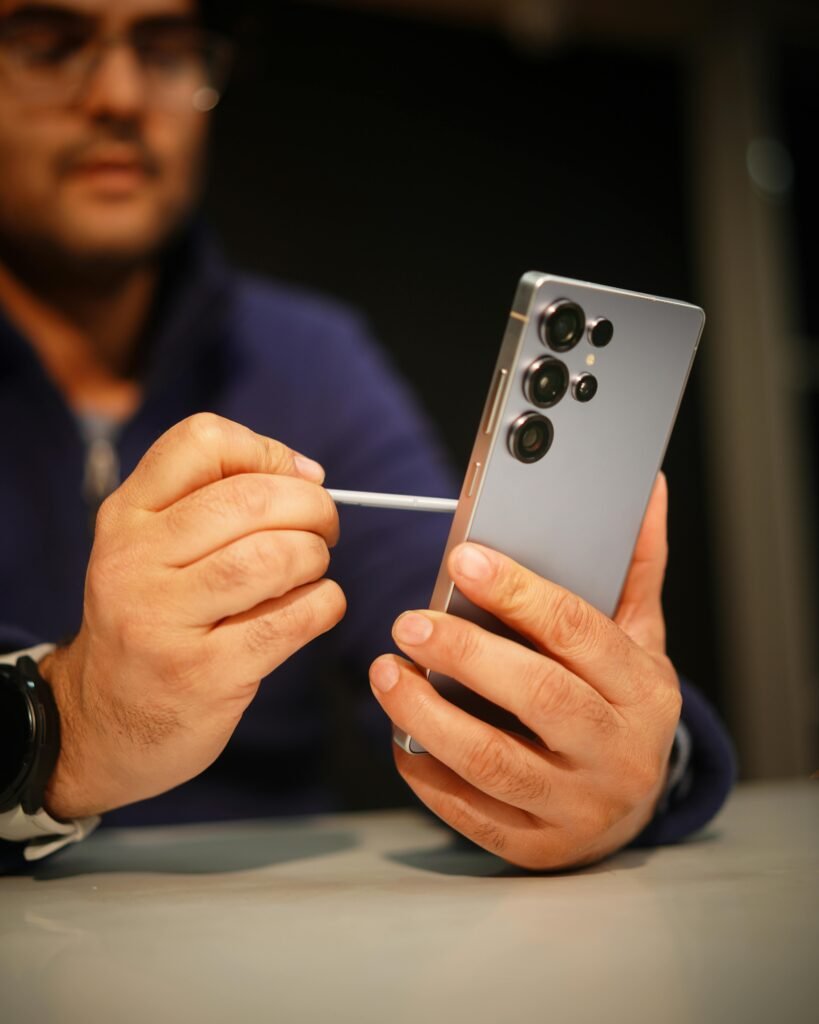
Introduction to AI in Smartphones
The integration of artificial intelligence (AI) into smartphones marks a significant evolution in mobile technology, transforming how users interact with their devices. Over the years, smartphones have evolved from basic communication tools to sophisticated devices capable of performing a multitude of functions. With the advent of AI, these devices have begun to emulate smarter, more intuitive behaviors, enhancing the overall user experience remarkably.
AI-powered smartphones leverage complex algorithms and machine learning systems to process data and adapt to user preferences. This capability allows devices to provide personalized recommendations, optimize battery usage, and enhance camera performance through features like scene recognition and real-time editing. The use of AI has enabled smartphones to learn from user habits, making them not only responsive but also predictive, which significantly contributes to efficiency and convenience.
Moreover, AI facilitates improved performance in virtual assistants, voice recognition, and natural language processing, enabling seamless interaction. For instance, Apple’s Siri, Google’s Assistant, and Samsung’s Bixby have evolved to become more integrated into users’ daily routines, allowing them to perform tasks more efficiently without manual input. The natural language processing capabilities of these AI models enhance their ability to understand and process spoken commands, making them invaluable tools for multitasking.
Apart from enhancing user interaction, AI also plays a critical role in security through biometric recognition and adaptive security features. The implementation of facial recognition technology and fingerprint scanning, both AI-driven, reinforces user data safety by ensuring that only authorized users can access sensitive information.
As we delve deeper into the landscape of AI in smartphones, it becomes evident that the technology is not merely an addition but a transformative force that reshapes usability and performance. It is essential to explore the features and benefits of AI-powered devices to fully appreciate their impact on enhancing the smartphone experience.
Key AI Features in Modern Smartphones
As technology evolves, the integration of artificial intelligence (AI) into smartphones has become increasingly prevalent, leading to a significant enhancement in user experience and device functionality. Key AI features in modern smartphones are designed to improve usability and streamline daily tasks while increasing efficiency.
One of the most notable features is facial recognition technology, which allows users to unlock their devices quickly and securely. This biometric security measure uses AI algorithms to analyze facial features, making the authentication process efficient while maintaining a high level of security. The implementation of facial recognition not only simplifies access to smartphones but also minimizes unauthorized usage, thereby enhancing user privacy.
Another crucial AI-driven feature is voice assistants, prevalent in devices like Apple’s Siri, Google Assistant, and Amazon Alexa. These virtual assistants utilize natural language processing to understand and respond to user inquiries, manage tasks, and control smart home devices. By facilitating hands-free interaction, voice assistants significantly enhance user convenience, allowing for a more seamless integration of smartphone capabilities into everyday life.
AI also plays a pivotal role in camera enhancements, with features such as scene recognition, image optimization, and automated adjustment of settings based on environmental conditions. By leveraging advanced machine learning techniques, smartphones can deliver high-quality photographs tailored to specific scenarios, significantly improving the overall photography experience. Such improvements attract both amateur and professional photographers seeking to maximize the capabilities of their devices.
Predictive text and autocorrect functionalities represent yet another area where AI adds value. By learning from user typing habits, smartphones can suggest relevant words and phrases, expediting communication and reducing typing errors. Furthermore, these predictive features continuously evolve through usage, offering increasingly personalized typing experiences.
Finally, battery management AI optimizes power consumption, ensuring that devices operate efficiently. By analyzing usage patterns and app performance, this feature can predict battery drain and suggest appropriate measures, allowing users to maximize their smartphone’s lifespan throughout the day. Overall, these AI features illustrate how modern smartphones leverage artificial intelligence to enhance functionality and usability, transforming the way users interact with technology.
Benefits of AI Integration in Smartphones
The integration of artificial intelligence (AI) into smartphones has revolutionized the way users interact with their devices, offering numerous advantages that enhance everyday functionality. One of the primary benefits is personalization. AI algorithms analyze user behavior, preferences, and patterns to tailor the smartphone experience. For instance, by predicting which apps a user is likely to open based on their past usage, smartphones can provide customized recommendations, improving accessibility and convenience.
Efficiency is another significant advantage of AI in smartphones. Tasks such as voice recognition and natural language processing enable quicker responses to user commands. Functions like predictive text and contextual suggestions not only speed up communication but also enhance overall user productivity. AI-driven automation continues to streamline tasks, allowing users to manage their schedules, reminders, and even home devices seamlessly.
Enhanced security is a critical focus area where AI plays a pivotal role. Modern smartphones deploy AI to bolster security measures, such as facial recognition and biometric authentication. By continuously learning and adapting to the user’s behaviors, AI can reduce the risk of unauthorized access and enhance personal data protection, ensuring that user information remains safe.
Furthermore, AI boosts user interaction by facilitating smart features like virtual assistants, which can perform tasks based on voice commands, thus simplifying the user experience. For instance, AI-powered virtual assistants can provide real-time translations, answer queries, or even control smart home devices. This level of interaction not only makes the device more user-friendly but also encourages users to explore the full potential of their smartphones.
Incorporating AI within smartphones continues to transform user engagement and functionality, making devices more intuitive and responsive to individual needs. As smartphone technology advances, the benefits of AI integration are likely to expand, offering even greater improvements in the usability and security of mobile devices.
Top Smartphones with Advanced AI Technology
The integration of advanced AI technology into smartphones has significantly transformed the way users interact with their devices. Leading brands have adopted AI-driven features that enhance performance, enable innovative functionalities, and improve user experience. Here are some of the top smartphones that exemplify these advancements:
1. Apple iPhone 14 Pro – The iPhone 14 Pro continues Apple’s legacy of incorporating sophisticated AI capabilities. Its A16 Bionic chip harnesses machine learning to enhance photography, enabling features like Smart HDR and improved Night mode. The device intelligently analyzes scenes for optimal photo adjustments, resulting in stunning captures.
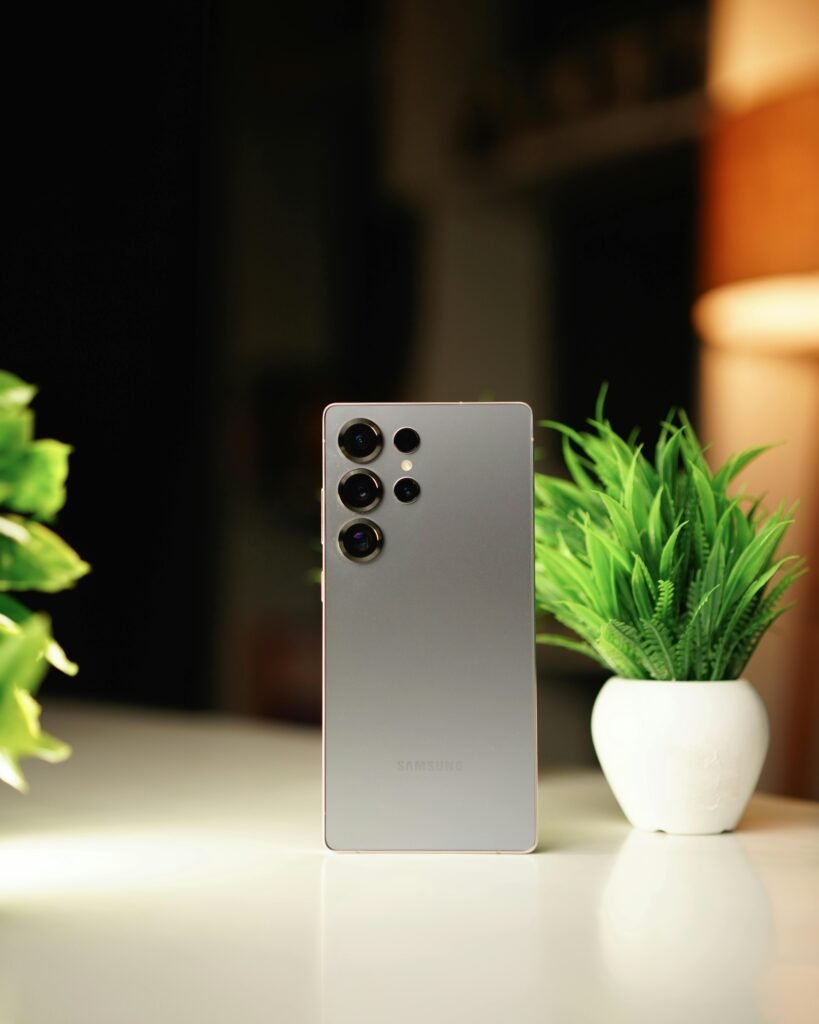
2. Samsung Galaxy S23 Ultra – This flagship smartphone from Samsung showcases powerful AI functionalities. The Galaxy S23 Ultra employs advanced image processing algorithms that enhance video stabilization and optimize low-light photography. Additionally, its voice assistant, Bixby, uses AI to recognize user commands and provide personalized recommendations.
3. Google Pixel 7 Pro – Google’s Pixel series is renowned for its AI-driven photography features. The Pixel 7 Pro utilizes sophisticated computational photography to refine images, providing users with features such as Magic Eraser and Real Tone for accurate skin tones. Moreover, the device’s speech recognition is powered by AI, ensuring quick and accurate voice commands.
4. OnePlus 11 – OnePlus has embraced AI technology to improve user experience in its latest models. The OnePlus 11 employs AI algorithms for enhanced battery management and smart app loading times. It also offers adaptive display settings that automatically adjust brightness based on environmental conditions, optimizing visibility.
5. Xiaomi 13 Pro – This device integrates AI into its camera system to enhance photo quality significantly. Xiaomi’s AI algorithms improve dynamic range and color accuracy while enabling seamless transition between modes such as portrait and night photography. Coupled with MIUI’s AI assistance features, the Xiaomi 13 Pro stands out in the competitive market.
These smartphones not only showcase cutting-edge design and performance but also highlight the pivotal role of AI technology in shaping the future of mobile devices, establishing a new standard for user experience and functionality.
Comparison of AI Performance Across Different Brands
The landscape of smartphones has been significantly transformed by the incorporation of artificial intelligence (AI), with various brands leveraging this technology to enhance user experience. Apple, Samsung, and Google are among the front-runners in the deployment of AI capabilities within their devices, each brand exhibiting distinctive performance traits based on their proprietary algorithms and hardware configurations.
Apple has integrated its AI functionality primarily through the A-series chips, which are engineered to facilitate machine learning tasks directly on the device. The efficiency and speed of Apple’s Neural Engine are evident in applications such as real-time image processing and voice recognition via Siri. Users often cite the accuracy of facial recognition and the intelligent assistance features as indicators of Apple’s prominence in delivering reliable AI performance.
Conversely, Samsung has invested heavily in AI, particularly through its Exynos processors combined with Bixby, the brand’s virtual assistant. Samsung devices exemplify the potential of AI in enhancing camera performance, with features like scene recognition and adaptive image optimization. Performance benchmarks highlight that Samsung smartphones often excel in speed when processing complex tasks, leading to higher user satisfaction in media consumption and multitasking scenarios.
Google, on the other hand, innovatively deploys AI through the Pixel series. The integration of Google Assistant and computational photography features showcases remarkable speed and accuracy in voice interactions and image processing. Particularly, Pixel devices have gained acclaim for their ability to accurately predict user preferences and provide contextual assistance, effectively enhancing the overall user experience.
When evaluating AI performance across these brands, it becomes clear that each has adopted unique strategies. Apple focuses on device-centric intelligence, while Samsung emphasizes speed, and Google prioritizes contextual accuracy. This divergence facilitates informed consumer choices based on individual preferences and performance requirements.
Future Trends in AI for Smartphones
The integration of artificial intelligence (AI) into smartphones is rapidly evolving, with significant advancements projected for the near future. One of the most notable trends is the enhancement of voice recognition and natural language processing capabilities. As AI algorithms become more sophisticated, smartphones will increasingly understand and respond to user commands with remarkable accuracy, making interactions more seamless. This development not only improves user convenience but also opens pathways for applications that rely on contextual understanding, such as virtual assistants that can anticipate user needs.
Moreover, the use of AI in smartphone photography is set to experience remarkable growth. Current AI-powered devices are already capable of scene recognition, image enhancements, and artificial bokeh effects. Future iterations are likely to introduce even more advanced features, such as real-time enhancements during video recording and improved low-light performance through computational photography techniques. These innovations will empower users to capture high-quality images with minimal effort while pushing the boundaries of mobile imaging further.
In addition, AI-driven personalization is expected to take center stage. Smartphones will leverage user data to offer tailored experiences, from optimizing device performance based on usage patterns to suggesting apps and content that align with individual preferences. This level of customization will enhance user engagement, making each device feel more intuitive and responsive to personal needs.
Furthermore, as manufacturers explore the capabilities of AI in areas such as health monitoring, we can expect smartphones equipped with advanced sensors and algorithms to track biometric data more accurately. For instance, AI may facilitate proactive health guidance, enabling users to maintain their well-being through real-time feedback and predictive insights.
Overall, the future of AI in smartphones promises a transformative experience that will redefine user interaction, photography, personalization, and health management. As these technologies continue to evolve, consumers can look forward to innovative features that will shape the next generation of mobile technology.
Challenges and Limitations of AI in Smartphones
The integration of artificial intelligence (AI) in smartphones has brought about significant advancements, but it is not without its challenges and limitations. One of the primary concerns revolves around privacy. As smartphones become more capable of processing large sets of data to enhance user experience, they also face scrutiny regarding how this data is managed and protected. Users often express discomfort with the idea that their personal information, browsing habits, and usage patterns are being collected and analyzed by AI algorithms. Ensuring robust data privacy measures is essential for maintaining user trust and fostering the continued adoption of AI technologies in these devices.
Another key challenge is algorithm bias, which can lead to unequal or inaccurate outcomes based on the data used to train these systems. AI algorithms are only as good as the information fed into them, and if this data reflects societal biases, the AI could perpetuate those biases in the way it functions within the smartphone. For instance, facial recognition technology has come under fire for exhibiting racial and gender biases, leading to concerns about fairness in AI applications that rely on such functionalities. Addressing these biases is crucial for ensuring that AI technologies operate fairly and effectively, providing all users with a satisfactory experience.
Hardware constraints also present a significant limitation. Many smartphones have to balance performance and battery life against the demanding computational requirements of AI algorithms. The efficiency of these algorithms can directly influence the overall performance of the device, impacting its speed and durability. Manufacturers face an ongoing challenge of improving hardware capabilities to support the advanced functionalities that AI offers, while also being mindful of cost and energy consumption. In a rapidly evolving technological landscape, these challenges must be addressed to maximize the potential of AI in future smartphones.
User Experiences and Testimonials
As artificial intelligence (AI) continues to integrate into smartphones, many users have shared their experiences regarding the functionalities and advantages offered by these advanced devices. A noticeable aspect of user feedback highlights satisfaction derived from AI-driven features such as virtual assistants, camera enhancements, and battery optimization.
One common testimony from users revolves around AI-powered virtual assistants, which significantly improve user interaction. These assistants have been praised for their ability to understand context, manage tasks, answer queries, and even provide personalized suggestions. Users express how these features contribute to streamlining their daily routines, making task management more efficient and timely. As one user noted, “Using the AI assistant feels like having a personal helper available 24/7, responding to my needs in real-time.”
Another frequently mentioned feature is the AI capabilities in cameras, which enhance image quality through automatic adjustments based on the camera’s environment. Many users report superior experiences when taking photos, especially in challenging conditions such as low light or backlit environments. One user shared, “The AI camera settings allow me to capture stunning photos effortlessly—something I could never achieve with my previous smartphone.”
However, it is important to consider some common challenges users face with AI integration. While several users applaud the intelligence and adaptability, some have experienced issues with accuracy and unexpected behavior during complex tasks. This inconsistency has led to occasional frustration, especially for those who rely heavily on AI functionalities. Despite these challenges, the majority of users believe that the overall value AI brings to their smartphones outweighs any shortcomings.
In conclusion, the general sentiment among users underscores the significant impact of AI features on enhancing smartphone usability, offering a blend of convenience, efficiency, and innovative capabilities that appeal to a broad audience.
Conclusion: Selecting the Best AI-Powered Smartphone
In recent years, smartphones have increasingly incorporated artificial intelligence, resulting in devices that are not only smarter but also uniquely tailored to user preferences. As consumers navigate the landscape of AI-powered smartphones, it is essential to consider a range of factors to find the best device that meets individual needs and expectations. Understanding the specific capabilities offered by these devices, such as enhanced photography, personalized user interfaces, and voice recognition, will help buyers make informed decisions.
When selecting an AI-powered smartphone, one must evaluate the device’s performance in terms of processing speed and battery efficiency, as these elements are often influenced by AI algorithms. The integration of AI can streamline tasks, optimize graphics performance, and prolong battery life, ultimately improving the overall user experience. Additionally, buyers should look for innovative features that harness AI technology for applications such as smart photography or intelligent personal assistants, which can significantly enhance usability.
It is also crucial to consider brand reliability and software update commitments. Brands that prioritize continuous updates and security patches ensure that the AI capabilities of their smartphones remain relevant and effective over time. Engaging with user reviews and expert recommendations can provide valuable insights into how well a smartphone functions in real-world scenarios, further guiding purchasing decisions.
As the smartphone industry evolves with rapid advancements in AI technology, staying informed about new releases and ongoing research is vital. The best AI-powered smartphone for today may quickly change, as innovation propels the market forward. Therefore, consumers are encouraged to regularly seek out information and trends to ensure they choose a device that not only suits their current needs but also adapts to future requirements.
About the Author





3 thoughts on “The Rise of AI in Smartphones: Discovering the Best AI-Powered Devices”