Introduction to the Evolution of Smartphones
The evolution of smartphones has been a remarkable journey characterized by rapid advancements in technology, design, and user experience. Starting from the initial mobile phones in the 1980s, which were primarily designed for communication, the introduction of the first smartphone, IBM’s Simon Personal Communicator, in 1992 marked a significant turning point. This device combined the functions of a mobile phone with a PDA, setting the stage for a new era of mobile technology.
Throughout the late 1990s and early 2000s, smartphones continued to evolve, with various companies introducing devices that integrated features like email, internet browsing, and basic multimedia capabilities. The introduction of the BlackBerry and Palm devices greatly influenced business and personal communications, emphasizing the importance of mobile access to information. However, it wasn’t until the launch of the Apple iPhone in 2007 that the smartphone industry experienced a paradigm shift. The iPhone’s sleek design, intuitive touch interface, and robust application ecosystem revolutionized how users interacted with their devices.
In the following years, Android’s emergence as a competitor to iOS fostered innovation in the smartphone arena, with numerous manufacturers entering the market, each vying for consumer attention. Key milestones such as the introduction of high-resolution displays, enhanced processing power, and advancements in camera technology further transformed smartphones into essential tools for daily life. Manufacturers responded to consumer demands for better functionality, leading to the proliferation of features like biometric security, augmented reality, and AI-driven functionalities.
As we approach 2026, the smartphone landscape continues to evolve rapidly, propelled by the need for faster connectivity, greater processing capabilities, and improved user experiences. Emerging trends include foldable screens, 5G technology, and the growing integration of smart device ecosystems. Understanding the trajectory of smartphone development provides valuable insights into the innovations that define the devices we rely on today.
Major Trends in Smartphone Technology by 2026
As we move deeper into 2026, several major technological trends are shaping the smartphone landscape, revolutionizing user experience and redefining the capabilities of mobile devices. One of the most significant advancements is the widespread integration of 5G technology. This high-speed connectivity allows users to experience seamless streaming, faster downloads, and improved online gaming. The enhanced bandwidth provided by 5G also facilitates the adoption of innovative applications, such as real-time data sharing and latency-sensitive services.
In addition to connectivity, artificial intelligence (AI) has become a cornerstone of smartphone functionality. By 2026, AI-driven features are more prevalent than ever, providing users with personalized experiences and intuitive assistance. From advanced camera settings that automatically optimize photos to voice assistants that learn user preferences, AI is not just an add-on feature but a central element in enhancing device usability.
Moreover, augmented reality (AR) capabilities are witnessing significant advancements. Smartphones now incorporate sophisticated AR technologies that enable enriched interaction with both the digital and physical worlds. Users can enjoy immersive gaming experiences, interactive educational tools, and enhanced navigation systems powered by AR, setting a new standard for engagement in daily use.
Battery technology has also improved significantly, with longer-lasting energy solutions and faster charging capabilities. Phones in 2026 are expected to feature batteries that can sustain longer usage times while supporting rapid recharge functionality, making it easier for users to stay connected throughout the day.
As smartphone technology progresses, new materials and design philosophies are emerging as well. Foldable displays, for instance, have become increasingly popular, allowing for versatility in device usage without sacrificing screen size or durability. These trends not only redefine user experience but also demonstrate the innovative spirit driving the smartphone industry forward.
Key Features to Look for in the Best Smartphones of 2026
As consumers prepare to invest in new smartphones, understanding the essential features that define the best smartphones of 2026 becomes increasingly important. The rapidly evolving technology landscape means that superior performance is expected, which makes processing power a critical factor. Modern smartphones are likely to be equipped with advanced processors that enhance multitasking, application performance, and gaming experiences. Look for devices that boast the latest chipsets, ensuring they can handle demanding tasks and future software updates with ease.
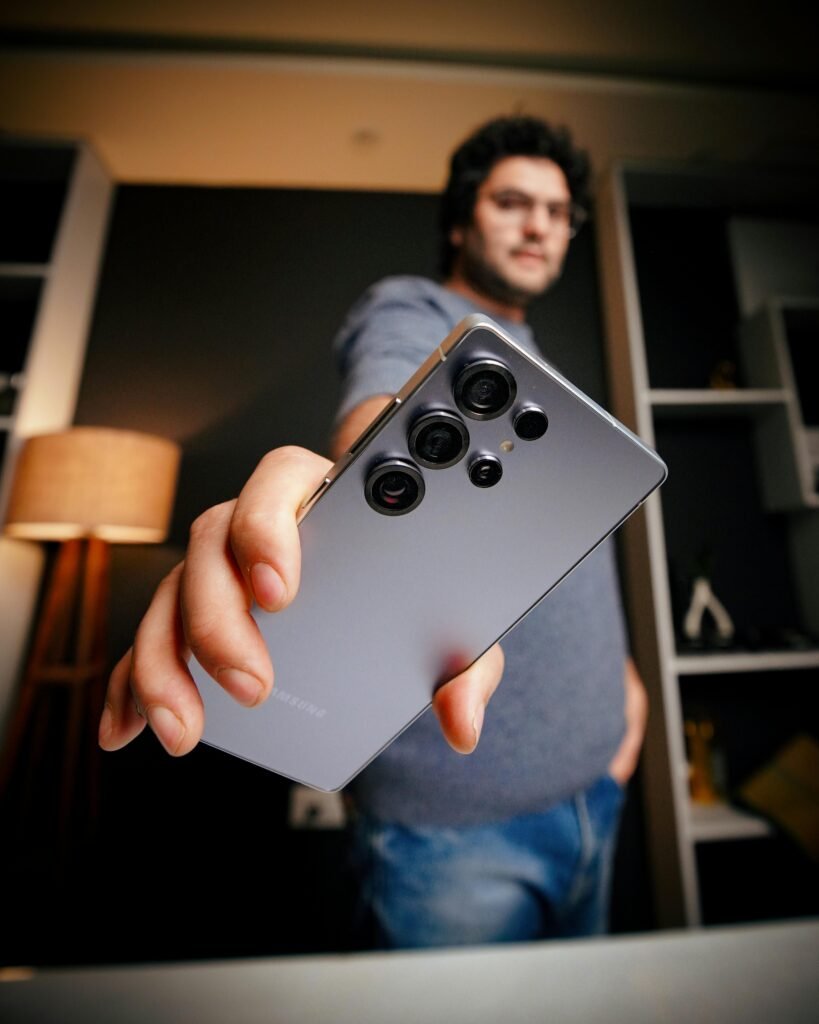
Another significant aspect to consider is camera quality. In an age where photography is pivotal for social media and personal documentation, smartphones with superior camera capabilities will likely dominate the market. Features such as higher megapixel counts, enhanced low-light performance, and innovative AI-driven photography enhancements will play a vital role in delivering stunning images and videos. Additionally, the inclusion of versatile camera systems, such as ultra-wide and telephoto lenses, can provide users with more creative options.
Battery life is also an essential consideration. A smartphone with a long-lasting battery ensures that users can stay connected without the constant need for recharging. It will be important to evaluate devices that offer significant battery capacity and fast charging technologies, allowing for quick top-ups during busy days.
Display technology continues to improve and is a noteworthy feature for consumers focused on multimedia consumption. Look for smartphones that include high-resolution displays with OLED technology, which provide richer colors and deeper contrast ratios, enhancing the viewing experience. Lastly, security features cannot be overlooked. With the increasing importance of data privacy, consumers should pay attention to smartphones that offer biometric authentication methods, such as facial recognition and fingerprint scanning, to safeguard their personal information effectively.
Top Smartphone Brands Dominating the Market in 2026
The competitive landscape of the smartphone market in 2026 showcases several brands that have successfully established their authority by combining innovation, quality, and consumer engagement. Among these leaders, Apple, Samsung, and Google stand out due to their flagship models that continue to push technological boundaries.
Apple, with its iPhone series, maintains a devoted customer base due to its seamless integration of hardware and software. The latest models, equipped with advanced A-series chips and cutting-edge camera technology, have set a benchmark for performance. Furthermore, Apple’s commitment to privacy and user experience has enhanced its brand reputation, making it a top choice among consumers looking for reliability and sophistication in their devices.
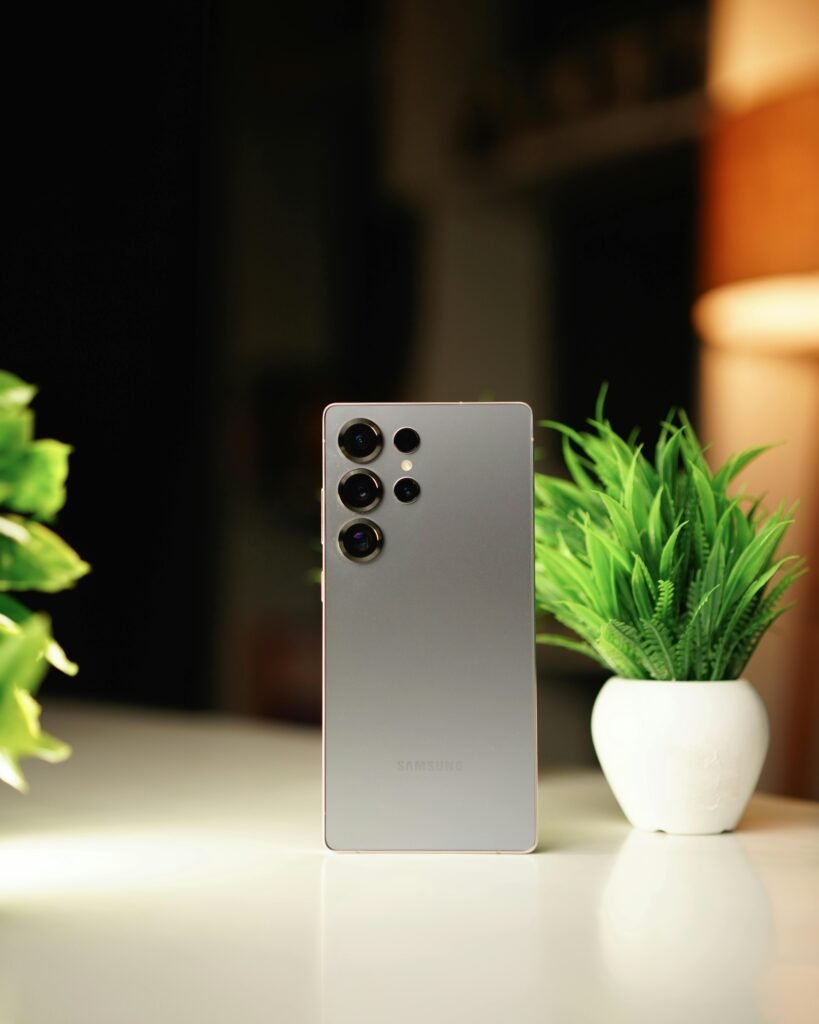
Samsung, recognized for its Galaxy series, has also made significant strides in 2026. The introduction of foldable smartphones has revolutionized the way users interact with their devices. With features such as high-resolution displays and versatile multitasking capabilities, Samsung’s flagship models cater to a diverse audience. Moreover, their consistent innovations in battery technology and camera enhancements ensure that they remain a formidable competitor in the market.
Google’s Pixel lineup has made waves with its emphasis on artificially intelligent features and exceptional camera quality. The latest iterations showcase improved computational photography, which has garnered attention for its real-time image processing capabilities. Google’s focus on software updates and security has also fostered a trusting relationship with users, solidifying its place among the top brands in the market.
Each of these brands has tailored its offerings to meet the evolving needs of consumers, ensuring their top positions in the industry remain unchallenged. As the competition intensifies, their adherence to innovation, brand reputation, and customer satisfaction will continue to set them apart, shaping the future of smartphone technology.
The Impact of Sustainable Practices in Smartphone Manufacturing
The smartphone industry has seen a significant shift towards sustainability, influenced by both consumer demand and the urgent need to address environmental challenges. Leading companies are increasingly recognizing that sustainable practices in smartphone manufacturing not only benefit the planet but also resonate with conscientious consumers. These practices encompass a range of strategies focused on reducing the ecological footprint of smartphones, such as using recycled materials, minimizing waste, and prioritizing energy-efficient designs.
One notable approach is the integration of recycled materials into product design. Manufacturers are now utilizing reclaimed metals and plastics, thereby decreasing the reliance on virgin resources. This practice not only conserves natural resources but also reduces carbon emissions associated with the extraction and processing of raw materials. For example, brands like Apple and Samsung have made commitments to incorporate recycled aluminum and rare earth elements into their devices, showcasing a progressive model for responsible sourcing.
Another important aspect of sustainable smartphone manufacturing is the innovation of energy-efficient designs. Companies are striving to design devices that consume less power during both production and usage. Technologies such as low-power displays and energy-efficient processors contribute to a lower carbon footprint throughout the product’s lifecycle. Additionally, many companies are focusing on creating longer-lasting products, reducing the frequency of replacements that contribute to electronic waste.
Moreover, the push for sustainability extends beyond materials and energy consumption. Many smartphone manufacturers are adopting environmentally friendly practices in their supply chains and logistics. This includes initiatives like reducing packaging waste and optimizing transportation routes to minimize carbon emissions. As these sustainable practices are increasingly recognized, they are becoming a crucial factor in consumer decision-making, steering preferences towards brands that prioritize environmental stewardship.
In conclusion, the integration of sustainable practices in smartphone manufacturing is transforming the industry, influencing consumer choices and setting new standards for environmental responsibility.
Smartphone Innovations: What’s New and Exciting in 2026
As we explore the smartphone landscape of 2026, it is evident that manufacturers have made significant leaps in innovation, setting this year’s devices apart from their predecessors. A primary focus has been on foldable display technology, which continues to evolve, allowing for larger screens in more compact forms. The latest foldable smartphones showcase advancements in durability and usability, with flexible OLED displays that resist wear and tear while offering seamless multitasking capabilities.
Additionally, the introduction of modular smartphone components has emerged as a game-changer in 2026. Modular designs enable users to easily upgrade specific parts, such as cameras or batteries, promoting longevity and reducing electronic waste. This feature addresses consumer demand for customization and sustainability, appealing to environmentally conscious users who prefer devices that adapt to their changing needs.
Camera systems in smartphones have also experienced remarkable enhancements. The integration of artificial intelligence and advanced optics results in superior image quality and new functionalities, such as real-time editing and improved low-light performance. Smartphones of 2026 now often include multiple lenses with varying capabilities, allowing users to capture professional-grade images with ease. Notably, features like optical zoom and ultra-wide lenses further enhance versatility, positioning smartphones as preferred tools for photography enthusiasts and content creators alike.
The emphasis on advanced biometric security has also transformed the user experience. With innovations such as under-display fingerprint sensors and facial recognition that works in diverse lighting conditions, securing devices has never been more convenient. These systems not only protect personal data but have also streamlined device access, providing users with a seamless interaction experience.
The amalgamation of these remarkable innovations in smartphones for 2026 has created devices that emphasize both functionality and user experience, ensuring that consumers have exciting options to explore and enjoy.
User Experience: Enhancements in Software and Interface
The evolution of user experience in smartphones has significantly transformed over the years, with software advancements playing a pivotal role in shaping how consumers interact with their devices. As we delve into 2026, it is evident that modern smartphones are not only equipped with robust hardware but also enhanced software designed to optimize user satisfaction. Operating systems have undergone substantial updates, focusing on improving functionality, security, and performance. The latest iterations now offer seamless integration with various applications, enabling multitasking without a compromise on speed or efficiency.
Moreover, customizable interfaces have become a hallmark of user-friendly smartphones. Manufacturers are increasingly recognizing the importance of personalization, allowing users to tailor their devices according to their preferences. This may include altering themes, rearranging app icons, and adjusting widgets for quick access to essential features. Such flexibility fosters a sense of ownership among users and caters to diverse taste profiles, ultimately enhancing the smartphone experience.
The rise of smart assistants has also contributed significantly to improving user experience. These AI-driven features are designed to facilitate effortless interactions by understanding and predicting user needs. From voice commands to intelligent suggestions, smart assistants are evolving to provide context-aware recommendations, which can streamline daily tasks and enhance overall productivity. As a result, users find themselves engaging with their smartphones in a more intuitive manner, leading to a more satisfying and coherent experience.
On the whole, the enhancements in software and interface contribute enormously to the user experience of smartphones in 2026. With innovations focusing on operating systems, customization, and intelligent virtual assistance, it is clear that manufacturers are prioritizing user satisfaction as they navigate the competitive landscape of smartphone technology. This ongoing commitment to refining the interactive experience bodes well for the future of mobile devices.
Pricing Trends: What to Expect in the Smartphone Market
As we venture into 2026, the smartphone market continues to evolve with significant pricing trends influenced by various factors. Understanding these trends is essential for consumers who wish to make informed purchasing decisions. One pertinent aspect is the distinction between entry-level and premium pricing. Entry-level smartphones, which cater to budget-conscious consumers, have generally seen a stabilization in pricing, primarily due to the growing competition among manufacturers. Brands are increasingly focusing on offering decent specifications and features at lower price points to capture a broader audience.
Conversely, premium smartphones are witnessing a noticeable shift. With advances in technology and the incorporation of innovative features – such as enhanced camera systems, artificial intelligence, and 5G connectivity – these high-end devices command higher prices. However, many premium brands now provide various pricing tiers, allowing consumers to explore different options without compromising on essential features. This strategy ensures that premium smartphones remain accessible to a larger demographic, while still upholding their status as luxury items.
A vital factor influencing smartphone pricing is the rising cost of materials and production. As manufacturers strive to include the latest technologies in their devices, the expenses associated with component sourcing and assembly rise. Additionally, supply chain challenges and global economic conditions can lead to fluctuations in pricing. Thus, consumers can expect to see slight increases in smartphone prices across all segments in the coming years.
Affordability remains a prevalent concern for many consumers. With a variety of smartphones available across different price ranges, the focus on value for money is paramount. Consumers are encouraged to evaluate their specific needs against the available options in the market. In the end, understanding these pricing trends and the factors that shape them will empower consumers to navigate the smartphone landscape effectively in 2026.
Conclusion: Choosing the Right Smartphone for You in 2026
In the rapidly evolving landscape of smartphone technology, 2026 presents an array of innovations designed to cater to diverse user preferences and lifestyles. As we have explored, manufacturers have focused on enhancing key features such as camera capabilities, battery life, display quality, and software performance. With advancements in AI integration, connectivity options, and device design, choosing the right smartphone involves considering not only the latest trends but also individual requirements and usage patterns.
When selecting a smartphone, it is crucial to assess your primary needs. Are you an avid photographer seeking outstanding camera performance? Or perhaps a business professional who prioritizes seamless productivity features? Additionally, factors such as budget, brand loyalty, and ecosystem compatibility play a vital role in the decision-making process. The smartphone market in 2026 is saturated with models that offer cutting-edge technology, but understanding what functionalities will most enhance your daily life is key.
Furthermore, the choice of operating system and user interface is an essential consideration. Each platform has its own set of features, ease of use, and applications available, which can significantly impact your smartphone experience. Additionally, with the ongoing developments in 5G connectivity and smart device integration, it’s wise to think about how your smartphone will interact with other devices in your ecosystem, such as tablets, wearables, and smart home gadgets.
Ultimately, making an informed decision in 2026 involves careful research and reflection on what attributes matter most to you. By analyzing the latest advancements and considering your personal preferences and lifestyle requirements, you can confidently choose a smartphone that not only meets your needs but also adds value to your daily routines.
About the Author