
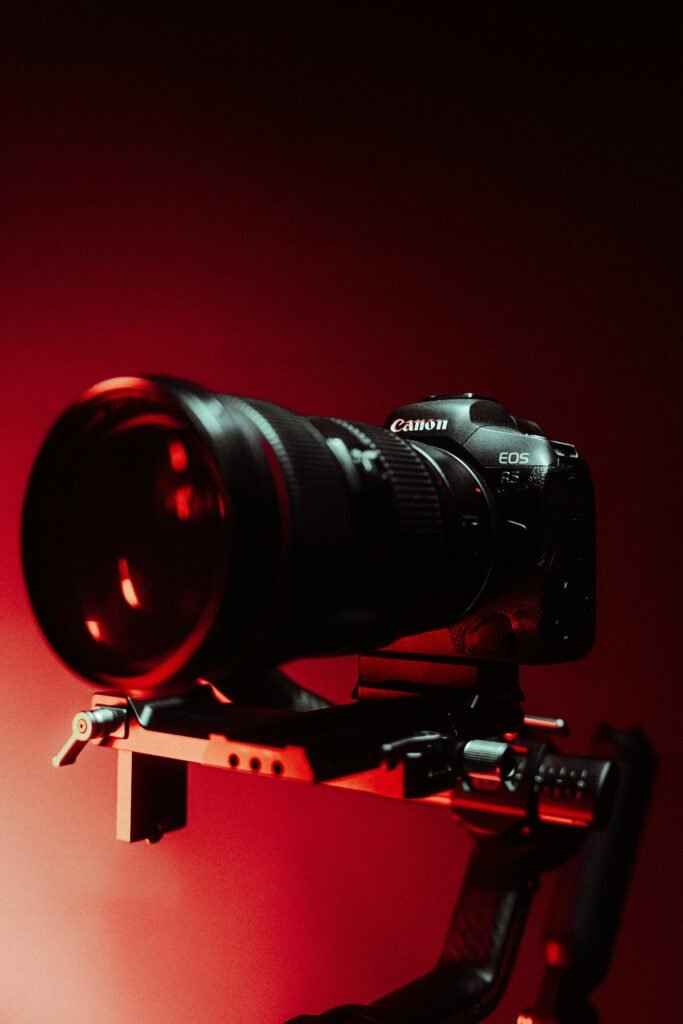
Introduction to Nikon Cameras
Nikon has established itself as a prominent name in the photography industry, characterized by its unwavering commitment to quality and innovation. Founded in 1917, the company has undergone significant evolution, transitioning from its initial endeavors in optical equipment to become one of the leading manufacturers of cameras and imaging technologies worldwide. Throughout its history, Nikon has introduced a wide range of camera lines, catering to both amateurs and professionals, which has contributed to its esteemed reputation.
The product lineup includes various models, starting from user-friendly entry-level DSLRs that appeal to beginners, to sophisticated professional mirrorless cameras designed for seasoned photographers. The Nikon D-series DSLRs have long been recognized for their durability and exceptional image quality, making them a reliable choice for enthusiasts. Meanwhile, Nikon’s Z-series mirrorless cameras have garnered attention for their cutting-edge technology and lightweight design, offering advanced features such as high-speed autofocus and impressive low-light performance.
Nikon’s continuous innovation is evident in its integration of advanced technologies, such as snapbridge functionality, which allows seamless connectivity between cameras and mobile devices. This feature enhances the user experience by enabling easy sharing of images and remote shooting capabilities. Moreover, Nikon’s focus on developing lenses and accessories further solidifies its appeal, as photographers seek to enhance their creative abilities through versatile equipment.
As we delve deeper into the best Nikon cameras for photography in 2026, it becomes apparent why they have remained a favorite among photographers across various skill levels. With a rich heritage of craftsmanship and a persistent drive for technological advancements, Nikon stands at the forefront of the evolving photography landscape, inviting both new and experienced photographers to explore their expansive product range.
Key Features to Look for in a Nikon Camera
When selecting a Nikon camera in 2026, photographers should consider several key features that can significantly influence their shooting experience and image quality. One of the primary specifications to evaluate is the sensor size. Larger sensors generally capture more light, resulting in better low-light performance and dynamic range. Nikon offers a variety of sensor sizes, including full-frame and crop sensors, each catering to different styles and levels of photography. For those looking for professional-grade images, a full-frame sensor is often preferred.
Another important aspect to consider is the ISO range. A wide ISO range allows photographers to shoot in varying lighting conditions without sacrificing image quality. Nikon cameras are known for their strong ISO performance, providing users with the flexibility to take clear shots in both bright and low-light scenarios. Additionally, features like noise reduction algorithms play a crucial role in maintaining image clarity at higher ISO levels.
Autofocus capabilities also play a significant role in photography. Nikon’s modern cameras often come equipped with advanced autofocus systems, including phase-detection and contrast-detection technologies, offering rapid and accurate focusing even in challenging environments. For action-oriented photography, features such as continuous shooting rates and tracking autofocus are essential for capturing moving subjects effectively.
Video quality is another essential factor for photographers who wish to venturing into videography. The latest Nikon models provide high-definition video recording capabilities, with options for 4K and even 8K resolution. This allows for versatile use of the camera, whether you are shooting stills or motion pictures.
Lastly, connectivity options, such as Wi-Fi and Bluetooth, enable photographers to easily transfer images and control the camera remotely. These features enhance workflow and allow for seamless sharing of photographs. By considering these key features, photographers can select a Nikon camera that aligns with their specific needs and preferences.
Top Nikon DSLRs for 2026
As we venture into 2026, Nikon continues to impress photography enthusiasts with its range of digital single-lens reflex (DSLR) cameras. Each model in the lineup caters to various skill levels, ensuring that both beginners and seasoned photographers can find the right fit for their creative pursuits. Here, we explore some of the best Nikon DSLRs available this year, highlighting their unique features, strengths, and ideal usage scenarios.
The Nikon D850 remains one of the most revered DSLRs, renowned for its impressive image quality and versatile performance. With a 45.7-megapixel full-frame sensor, this camera delivers exceptional detail and dynamic range, making it an excellent choice for landscape and portrait photography. The D850’s robust build quality and weather sealing also allow it to perform in challenging conditions, appealing to outdoor photographers who require durability.
For those seeking a more budget-friendly option, the Nikon D5600 stands out as an excellent entry-level DSLR. With a 24.2-megapixel sensor and a user-friendly interface, it is ideal for beginners who wish to learn the craft of photography. The D5600 boasts a vari-angle touchscreen, making it easy to frame shots from unique angles, while its built-in Wi-Fi and Bluetooth connectivity facilitate seamless sharing of images.
Lastly, the Nikon D7500 offers a mid-range option for users who require a balance between advanced features and affordability. With a 20.9-megapixel sensor and an ISO range of 100-51,200, the D7500 excels in low-light situations, making it perfect for events and indoor photography. Its fast autofocus system and 8 frames-per-second burst shooting capability cater to action photographers striving for rapid capturing.
In summary, the diverse selection of Nikon DSLRs in 2026 provides photographers with options suited to their individual needs. Whether one is a novice eager to develop skills or a professional demanding high-performance capabilities, these models are designed to elevate their photography journey.
Best Nikon Mirrorless Cameras Available
As photography continues to evolve, the shift from traditional Digital Single-Lens Reflex (DSLR) cameras to mirrorless systems has become increasingly pronounced. Nikon has embraced this change, developing a range of innovative mirrorless cameras that cater to both amateur and professional photographers alike. These Nikon mirrorless cameras offer significant advantages over their DSLR counterparts, including reduced size and weight, enhanced performance, and advanced technology features that facilitate superior image capture.
One standout model in Nikon’s 2026 mirrorless lineup is the Nikon Z9. This full-frame camera boasts remarkable speed and efficiency, featuring a 45.7 MP sensor paired with an impressive continuous shooting rate of 20 frames per second. Additionally, the Z9 incorporates advanced autofocus capabilities with subject detection, ensuring quick and precise focusing on moving subjects. This feature makes it particularly appealing for wildlife and sports photographers who require a camera that can keep up with fast-paced action.
Another noteworthy model is the Nikon Z7 II, which balances high resolution and versatile performance. With a 45.7 MP sensor similar to the Z9, the Z7 II excels in capturing detailed images, making it an excellent choice for landscape and portrait photographers. It also supports dual card slots, allowing for expanded storage options and increased workflow efficiency. Furthermore, the camera’s in-body stabilization system minimizes the impact of camera shake, enhancing image quality in low-light conditions.
For those seeking a more compact option, the Nikon Z50 offers a remarkable solution. This APS-C sensor camera delivers impressive performance in a lightweight, smaller body, ideal for travel photography. The user-friendly interface and robust build make it suitable for beginners while still providing advanced features that appeal to seasoned photographers. Overall, Nikon’s mirrorless camera offerings in 2026 reflect a commitment to innovation, performance, and meeting the diverse needs of today’s photographers.
Lenses for Nikon Photography in 2026
In the realm of photography, the lens used is as pivotal as the camera body itself. Lenses dictate the image quality, perspective, and artistic expression, making them an essential consideration for any photographer. In 2026, Nikon continues to offer a diverse array of lenses tailored for various genres, ensuring photographers can achieve their creative vision.
For portrait photography, the Nikon AF-S NIKKOR 85mm f/1.8G stands out due to its exceptional sharpness and beautiful bokeh. This lens, compatible with both Nikon’s full-frame and APS-C bodies, delivers depth and clarity, elevating portraiture to new heights. Alternatively, for those seeking a more versatile option, the Nikon Z 50mm f/1.2 S is an excellent choice, particularly for photographers invested in Nikon’s mirrorless systems.
Landscape photographers will greatly appreciate the Nikon Z 14-30mm f/4 S lens. This wide-angle zoom provides stunning edge-to-edge sharpness and vibrant colors, essential for capturing expansive vistas. Its compact design and compatibility with Nikon’s Z-series cameras make it a practical choice for on-the-go landscape shooting.
Macro photography enthusiasts can explore the inherent details of nature with the Nikon AF-S VR Micro-Nikkor 105mm f/2.8G IF-ED. Renowned for its effective vibration reduction and precise autofocus, this lens allows photographers to capture intricate subjects like flowers and insects with astounding clarity and lifelike representation.
Additionally, wildlife photographers require durability and versatility in their lenses. The Nikon AF-S NIKKOR 200-500mm f/5.6E ED VR is highly regarded for its range, allowing shooters to photograph animals from great distances without disturbing their natural habitat. It complements both full-frame and crop-sensor Nikon cameras, enabling a seamless transition for various shooting situations.
These lenses exemplify Nikon’s commitment to delivering quality optics that enhance photographic capability. By selecting the appropriate lens based on genre and camera compatibility, photographers can fully exploit their Nikon equipment to achieve remarkable results.
Accessories to Enhance Your Nikon Photography
To elevate your photography experience with Nikon cameras, a carefully curated selection of accessories can significantly improve your outcomes. Among the most beneficial items are tripods, filters, memory cards, and external flashes, all designed to complement the capabilities of Nikon cameras and facilitate various photography styles.
Tripods are essential for any photographer, especially when shooting in low-light conditions or engaging in landscape photography. A sturdy tripod provides a stable platform to prevent camera shake, resulting in sharper images. When choosing a tripod, consider your shooting style and the weight of your camera and lenses. Lightweight aluminum or carbon fiber tripods can enhance your portability while still offering stability.
Filters further enhance the quality of your shots. Polarizing filters minimize glare and reflections, making them ideal for capturing vibrant colors in your outdoor photography. Neutral density (ND) filters allow for longer exposure times without overexposing the image, allowing for creative effects such as silky-smooth waterfalls or stunning motion blur in action shots.
Memory cards are another crucial accessory that photographers should not overlook. Opt for high-speed memory cards that offer fast read and write speeds, ensuring that you can capture high-resolution images without delays. Brands that are particularly compatible with Nikon cameras, such as SanDisk and Lexar, are recommended. Furthermore, having multiple memory cards on hand will provide you with peace of mind during extended shoots.
External flashes can dramatically improve indoor and nighttime photography. Nikon’s speedlight flashes allow for greater control over lighting conditions, which can truly bring your images to life. Investing in a flash with adjustable settings and the ability to bounce light will enable you to achieve more dynamic and professional results.
Lastly, consider unique tools that cater to specific genres of photography. For instance, macro photography enthusiasts should invest in extension tubes or dedicated macro lenses to capture intricate details. Wildlife photographers may benefit from teleconverters to extend their lens range without compromising on image quality. By thoughtfully selecting accessories tailored to your creative needs, you can maximize the potential of your Nikon camera and enhance your overall photographic experience.
Comparative Reviews of Nikon’s Best Cameras
Nikon has established itself as a leading brand in the realm of photography, offering a broad spectrum of cameras designed to cater to various skill levels and photographic genres. As we explore the best Nikon cameras for photography in 2026, it is essential to conduct a comparative analysis that highlights their unique features, strengths, and weaknesses. This will assist potential buyers in making an informed decision based on their individual preferences.
Firstly, consider the Nikon Z9, a flagship mirrorless model equipped with a 45.7 MP sensor. The Z9 boasts exceptional speed, with continuous shooting capabilities of up to 20 frames per second. It shines particularly in low-light conditions, making it suitable for wildlife and sports photography. On the downside, it comes with a high price tag that may deter beginners. However, its robustness and versatility make it a worthwhile investment for serious photographers.
Another contender is the Nikon D7500, an APS-C DSLR that offers a balance between affordability and performance. With a 20.9 MP sensor and a burst shooting speed of 8 fps, it caters well to enthusiasts interested in landscapes and action shots. Its built-in Wi-Fi and Bluetooth enhance connectivity, but it lacks the advanced video capabilities found in higher-end models such as the Z9. Nevertheless, the D7500 remains a strong choice for those seeking a reliable and user-friendly camera.
The Nikon Z fc is particularly appealing to those looking for a compact and stylish option. This retro-styled mirrorless camera offers a 20.9 MP sensor and great ergonomics, but it may fall short in the autofocus department compared to other models. Ideal for casual photographers and vloggers, its lightweight design enhances portability, although features such as weather sealing are limited.
By weighing the pros and cons of these highlighted models, potential users can more clearly align their specific needs with the best Nikon camera suited for their photography endeavors. Each model excels in certain areas, and understanding these differences is crucial for selecting the right camera for personal requirements.
Photography Tips for Using Nikon Cameras
Using a Nikon camera can be a highly rewarding experience, especially when one learns to master its numerous features and functionalities. To truly harness the capabilities of your Nikon camera, understanding and utilizing manual settings is paramount. The manual mode allows photographers to take full control over shutter speed, aperture, and ISO—essential elements that define exposure. By experimenting with these settings, one can achieve specific artistic effects such as blurring backgrounds or capturing fast-moving subjects with clarity.
In addition to manual settings, comprehending the principles of composition can greatly enhance the quality of your photographs. The rule of thirds, for example, encourages photographers to position subjects along imaginary lines dividing the image into thirds, creating balanced and visually appealing compositions. Another technique is leading lines, where the photographer uses natural lines within the scene to draw the viewer’s eye towards the subject, effectively guiding the narrative of the photograph.
Furthermore, Nikon cameras often come equipped with various preset modes and features that can be utilized to maximize creativity. For instance, shooting in RAW format allows for greater flexibility in post-processing, providing photographers more control over exposure and colors. Additionally, familiarizing oneself with features like time-lapse photography, panorama mode, or advanced metering systems can transform the shooting experience and open new doors for creative expression.
Lastly, consistent practice and reviewing one’s work critically are essential for improvement. Join photography forums or communities where sharing experiences and receiving feedback can provide valuable insights. Engaging with peers and studying images taken by others can inspire new techniques and styles. By integrating these tips into your routine, you will not only enhance your technical skills but also develop a distinctive photographic style that resonates in your work.
Conclusion: Choosing the Right Nikon Camera for You
Choosing the right Nikon camera requires careful consideration of various factors that align with your photography goals and style. Throughout this blog post, we have explored a range of Nikon cameras that cater to different needs, from entry-level DSLRs to advanced mirrorless systems. Each option presents unique features and advantages, making it essential to evaluate what aspects matter most to you as a photographer.
One of the primary aspects to consider when selecting a Nikon camera is your current skill level. Beginners may benefit from user-friendly models that offer automatic settings and guides, while experienced photographers might prefer advanced features and customization options found in professional-grade cameras. Additionally, understanding the type of photography you plan to pursue—be it landscapes, portraits, or wildlife—will significantly influence your choice. Different models excel in specific conditions and types of shooting, emphasizing the importance of matching your camera to your desired focus.
Moreover, exploring additional accessories that complement your Nikon camera can enhance your photography experience. Lenses, lighting equipment, and stabilization tools play critical roles in achieving high-quality results. Furthermore, consider factors such as portability, battery life, and built-in technologies, which can further influence how well the camera suits your personalized photography style.
As you reflect on your photography needs and preferences, take the time to compare various models. Research,, read reviews, and consider hands-on testing before making a final decision. The right Nikon camera should empower you to pursue your passion with confidence. Therefore, we encourage you to explore the extensive range of Nikon cameras available and find the perfect fit for your creative journey.
About the Author




1 thought on “The Best Nikon Cameras for Photography in 2026”