
The Basic Principles of Flight
The functioning of an airplane is fundamentally reliant on four primary forces: lift, weight, thrust, and drag. Understanding these forces is essential for a comprehensive insight into aviation and aerodynamics. Each of these forces plays a crucial role during the various stages of flight, influencing how an airplane takes off, ascends, cruises, descends, and lands.
Lift is the force that enables an airplane to rise off the ground and stay airborne. It is generated by the movement of air over and under the wings. The shape of the wings, known as an airfoil, is designed to create a difference in air pressure above and below the wings. As air flows over the wing, it travels faster over the curved upper surface, leading to lower pressure above the wing compared to the relatively higher pressure below. This pressure difference results in an upward lifting force that counteracts the airplane’s weight.
Weight, on the other hand, is the force exerted by gravity, pulling the airplane downward. The aircraft’s total weight includes not only its structure but also the cargo, passengers, and fuel. For successful flight, lift must surpass weight to achieve ascent, while during descent and landing, weight must be managed carefully to ensure controlled and safe landing.
Thrust is the forward force produced by the engines, propelling the airplane through the air. Whether generated by jet engines or propellers, thrust must surpass drag—the aerodynamic resistance encountered as the airplane moves through the atmosphere. Drag can stem from several factors, including the shape of the aircraft and its surface texture. Efficient design minimizes drag, allowing for smoother flight and greater fuel economy.
In summary, the interaction of lift, weight, thrust, and drag is paramount for the operation of airplanes, dictating their performance and influencing various phases of flight. Understanding these basic principles forms the foundation for further exploration of aviation dynamics.
The Anatomy of an Airplane
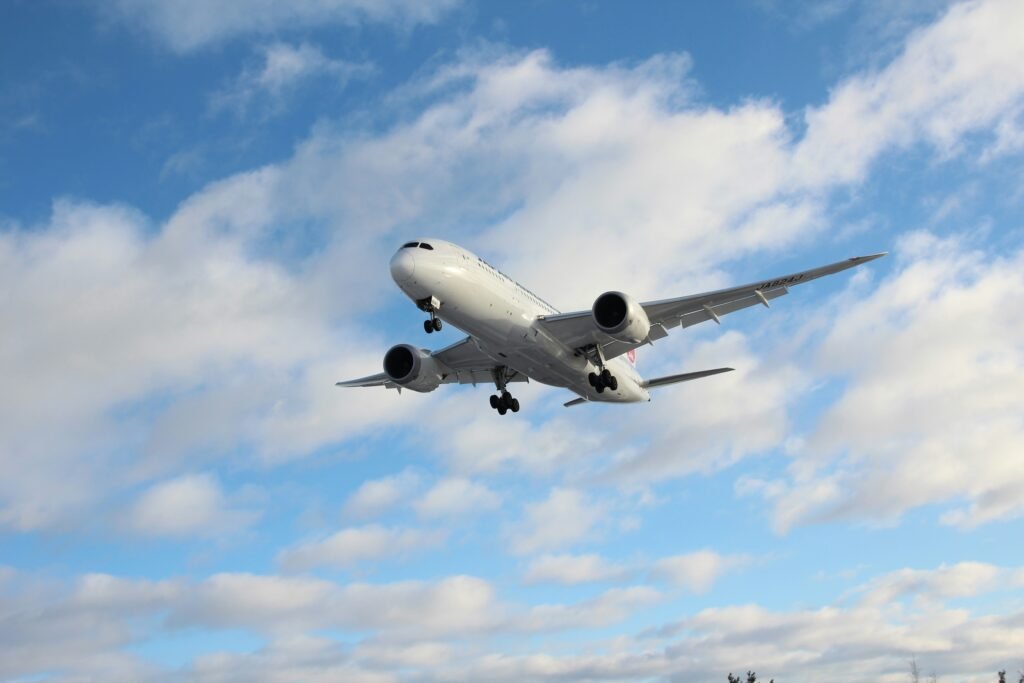
An airplane is a complex machine composed of several critical components, each designed to work in concert to ensure safe and efficient flight. Understanding the anatomy of an airplane is essential for grasping how these magnificent machines operate. The primary structural elements include the wings, fuselage, tail, engines, and landing gear, with each part playing a vital role in the aircraft’s performance.
The wings, perhaps the most recognizable component, are designed to generate lift. This is achieved through their aerodynamic shape, known as an airfoil. As air flows over and under the wings during flight, the differences in pressure create lift, allowing the airplane to ascend and remain airborne. Additionally, wings may also house fuel tanks and incorporate flaps, slats, and ailerons, which are crucial for maneuverability and control during takeoff, landing, and in-flight adjustments.
The fuselage is the main body of the aircraft, serving as the central structure that holds the cockpit, passenger cabin, and cargo area. It is designed with a streamlined profile to reduce drag, contributing to the overall aerodynamic efficiency of the airplane. The cockpit, located at the front of the fuselage, houses the flight instruments and controls used by the pilots.
The tail section, often overlooked, is also integral to an airplane’s stability and control. It includes the horizontal stabilizer, which prevents pitch changes, and the vertical stabilizer, which helps maintain directional stability. Control surfaces on the tail, such as the elevators and rudder, enable the pilots to steer the aircraft and maintain its intended flight path.
Engines provide the necessary thrust required for propulsion. There are different types of engines, such as turbojet, turbofan, and turboprop, each tailored to specific performance needs. Lastly, the landing gear, consisting of wheels, struts, and brakes, is essential for takeoff, landing, and ground maneuvering, ensuring the airplane can safely transition between flight and ground operations.
How Engines Propel Airplanes
The propulsion of airplanes is fundamentally reliant on engines, which can be categorized primarily into jet engines and propeller engines. Both types serve the essential function of producing thrust, enabling aircraft to ascend and maintain forward velocity during flight. The mechanisms by which these engines operate differ significantly, offering distinct advantages suited to various aviation applications.
Jet engines, often found in commercial airliners and military jets, operate on the principle of the jet propulsion. They draw in air through an intake, compress it, and subsequently mix it with fuel in the combustion chamber. The burning fuel-air mixture produces high-pressure, high-temperature gases that expand rapidly. This expansion propels the gases out of the engine’s exhaust at high velocity, adhering to Newton’s third law of motion—every action has an equal and opposite reaction. This reaction generates the necessary thrust to propel the airplane forward. Turbofan engines, a common variant in commercial aviation, utilize a large fan at the front to increase airflow and efficiency, significantly enhancing thrust while minimizing noise and fuel consumption.
On the other hand, propeller engines use a different approach to generate thrust. These engines typically operate through a piston mechanism, which powers a rotating propeller. As the propeller blades spin, they create a difference in air pressure, pushing air backward and moving the airplane forward. This method of propulsion is more efficient at lower speeds and altitudes, making propeller engines a preferred choice for smaller aircraft and certain regional airlines. Additionally, advancements in technology have led to the emergence of turboprop engines, which combine the efficiency of a turbine engine with propeller-driven thrust, providing higher performance for short-haul flights.
Understanding the intricacies of airplane engines is paramount to grasping how they propel aircraft through the skies. As aviation technology continues to evolve, innovations in engine design will further enhance the efficiency and capabilities of both commercial and military aircraft.
The Role of Aerodynamics in Flight
Aerodynamics is the study of how air interacts with moving objects, particularly in the context of aircraft. This field of study is crucial for understanding the principles that enable airplanes to fly efficiently and safely. One of the central concepts in aerodynamics is air pressure, which varies according to the speed and direction of airflow over the surface of an aircraft. In general, as an airplane moves through the air, it creates a difference in air pressure above and below its wings, leading to the generation of lift.
The shape of the wings, known as the airfoil, plays a pivotal role in aerodynamics. Airfoils are designed to optimize airflow, allowing for efficient movement through the atmosphere. The upper surface of the wing is typically curved, while the lower surface is relatively flat. This design influences the flow of air, causing it to move faster over the top of the wing than the bottom. According to Bernoulli’s principle, this difference in velocity results in lower pressure on the upper surface, thereby creating lift. Understanding the relationship between wing shape, airflow, and pressure is essential for effective airplane design and performance.
Additionally, airflow plays a significant role in drag reduction, which is the resistance an aircraft experiences as it moves through the air. To achieve optimal performance, engineers employ various design strategies, including winglets and streamlined fuselages, to minimize drag. These modifications enhance fuel efficiency and operational range, ultimately leading to more sustainable flight practices. The fundamental principles of aerodynamics, encompassing air pressure, flow characteristics, and wing design, are instrumental in ensuring that modern airplanes can achieve and maintain flight in a controlled manner.
Navigation and Control Systems
Airplane navigation and control systems are critical components that ensure a safe and efficient flight. These systems encompass a range of instruments and technologies that provide pilots with essential information about the aircraft’s position, speed, altitude, and direction. One of the primary systems employed in modern aviation is the Global Positioning System (GPS). This satellite-based navigation system allows pilots to determine their precise location in real-time, greatly enhancing situational awareness and aiding in route planning. GPS is particularly valuable for long-distance flights and challenging navigational environments.
In addition to GPS, autopilot systems play a vital role in the navigation of modern aircraft. These systems allow pilots to automate certain flight functions, reducing their workload and enabling them to focus on monitoring the aircraft’s performance and responding to any changes in flight conditions. Autopilots can maintain altitude, manage speed, and control heading, facilitating smoother flights and enhancing overall safety. This technology has evolved significantly over the years, with advances in systems allowing for greater autonomy and precision in flight management.
Moreover, cockpit instruments are integral to controlling an aircraft’s flight parameters. Instruments such as the altimeter, airspeed indicator, and artificial horizon provide vital data that assists pilots in maintaining optimal flight conditions. The altimeter, for instance, measures the altitude of the airplane, helping in adherence to required flying levels, while the airspeed indicator offers crucial information about the aircraft’s speed relative to the surrounding air. Additionally, the artificial horizon aids pilots in visualizing the aircraft’s orientation, ensuring effective control during various maneuvers.
Overall, the combination of GPS, autopilot systems, and cockpit instruments forms an intricate web of navigation and control mechanisms essential for flight safety and operational efficiency. Each element is designed to work in concert, providing pilots with the information necessary to navigate the complexities of air travel.
Takeoff and Landing Procedures
Takeoff and landing are two of the most critical phases of flight, requiring precise execution of procedures to ensure safety and efficiency. The takeoff procedure typically begins with the pilot receiving clearance from air traffic control, followed by a series of checklists that confirm the aircraft’s readiness. The aircraft is then taxied to the designated runway, where its systems are assessed, and the final weight and balance checks are performed. During takeoff, a combination of forces is at play: thrust from the engines counters drag, while lift generated by the wings opposes weight. As the aircraft accelerates down the runway, the pilot monitors airspeed, and at the appropriate velocity, known as V1, the aircraft is rotated to enter a climb. This phase demands meticulous attention as proper technique is essential for a successful takeoff.
Similarly, the landing process involves a structured approach to ensure a safe return to the ground. Pilots begin by communicating with air traffic control to obtain landing clearance and proceed with the approach checklist. As the aircraft nears the destination, pilots engage in a descent, meticulously managing speed and altitude while configuring the aircraft for landing. The landing gear is deployed, and flaps are adjusted to enhance lift and control during final approach. Understanding the principles of aerodynamics is vital, as lower airspeed leads to a decrease in lift. During the landing phase, pilots must navigate various challenges, including wind conditions and runway length, while making real-time adjustments to maintain optimal flight parameters.
Post-landing procedures are equally critical. Upon touchdown, pilots employ reverse thrust and brakes to decelerate the aircraft efficiently. Once the aircraft has come to a complete stop, pilots complete taxiing procedures and conduct post-flight checklists. The careful execution of both takeoff and landing procedures underlines the importance of thorough training, adherence to checklists, and an understanding of the underlying physics governing aircraft operations. These phases are integral parts of flight safety and operational efficiency, enhancing the overall flying experience.
Safety Features and Technology
The aviation industry has made remarkable strides in enhancing the safety and reliability of air travel through the incorporation of advanced safety features and technologies in modern airplanes. At the core of these advancements are redundancy systems designed to ensure that critical functions can continue even if one component fails. For instance, commercial aircraft often have multiple hydraulic systems, electrical circuits, and navigation setups. This design philosophy means that should one system encounter an issue, alternative systems are readily available to take over, thus preventing potential accidents.
In addition to redundancy, rigorous safety protocols are established through regulatory bodies such as the Federal Aviation Administration (FAA) and the European Union Aviation Safety Agency (EASA). These organizations mandate comprehensive inspections, maintenance routines, and certification processes to ensure that all aspects of aircraft operations meet high safety standards. Pilots and crew members undergo extensive training to handle emergencies, and simulators are utilized to prepare them for a myriad of potential in-flight scenarios.
Moreover, technological innovations have led to the development of advanced avionic systems that improve overall flight safety. For example, the introduction of Fly-by-Wire technology allows for enhanced control of the aircraft, utilizing computer systems to manage flight dynamics. This technology not only minimizes the risks posed by pilot error but also adapts to changing conditions during flight. Another noteworthy advancement is the implementation of Traffic Collision Avoidance Systems (TCAS) that provide timely warnings and instructions to both pilots and air traffic controllers to prevent mid-air collisions.
Ultimately, the integration of these safety features and technologies demonstrates the aviation industry’s unwavering commitment to enhancing the safety of air travel. By continuously evolving and adopting new practices, the field of aviation not only strives to safeguard passengers but also works towards a future of safer skies.
Environmental Impact of Air Travel
The environmental implications of air travel are a significant concern that has gained attention in recent years. Aircraft emissions contribute to greenhouse gases, which accelerate climate change and impact global temperatures. When an airplane takes to the skies, the combustion of aviation fuel releases carbon dioxide (CO2), nitrous oxide (N2O), and water vapor, all of which have varying effects on the atmosphere. The aviation sector accounts for approximately 2-3% of global CO2 emissions, a figure that may seem modest but significantly impacts our climate. Furthermore, the altitude at which emissions are released exacerbates their warming potential, leading to discussions about the long-term effects of airplane travel on our environment.
Another dimension of environmental concern revolves around noise pollution. Airports and flight paths often impose noise disturbances on communities nestled underneath the flight paths. This noise can affect the quality of life, leading to increased stress levels and health issues for individuals living near busy airports. As air traffic continues to grow, managing noise becomes an essential factor for urban planners and policymakers. Consequently, the aviation industry has sought to address these issues through technological advancements aimed at quieter and more efficient engines.
In response to growing environmental concerns, the aviation sector is embracing sustainability. Airlines are investing in research and development of alternative fuels, such as biofuels derived from renewable resources, which promise to lower emissions compared to traditional fossil fuels. Additionally, innovations in aircraft design have led to a new generation of fuel-efficient airplanes that consume less fuel per passenger-mile. These advancements not only aim to mitigate environmental impacts but also cater to an increasingly eco-conscious flying public. Efforts towards sustainability and a drive for greener aviation practices highlight the industry’s recognition of the need to reduce its ecological footprint, ultimately promoting a more responsible approach to air travel.
The Future of Aviation
The aviation industry is on the cusp of transformative change, with several emerging technologies poised to redefine air travel. One of the most significant innovations on the horizon is the development of electric planes, which promise to reduce reliance on fossil fuels and lower carbon emissions. By utilizing battery technology and electric propulsion systems, the aviation sector aims to create a more sustainable form of air travel. Several companies are already conducting test flights of electric aircraft, indicating that this technology may soon become a viable option for commercial flights.
In addition to electric propulsion, the integration of autonomous flight systems in aviation is becoming increasingly plausible. The advent of advanced sensors, artificial intelligence (AI), and machine learning techniques has powered the development of planes capable of flying without human intervention. While full autonomy in commercial aviation may still be years away, pilot-assisted automation is already enhancing safety and operational efficiency in modern aircraft. Such advancements could lead to reduced crew costs, optimized flight routes, and improved on-time performance.
AI is also set to play a pivotal role in various facets of the aviation industry, ranging from air traffic management to maintenance and operations. By analyzing vast amounts of data, AI can help predict potential mechanical failures, ensuring that preventive maintenance is conducted on time, thereby increasing safety. Furthermore, AI algorithms can optimize flight logistics, enhancing fuel efficiency and overall operational efficiency. The enhanced safety and efficiency provided by these technologies may ultimately change the public perception of air travel, making it safer and more sustainable.
As we look to the future, it is evident that innovation in electric aircraft, autonomous systems, and AI will significantly influence how we perceive and engage with aviation. These advancements hold the potential to revolutionize the industry, paving the way for a new era of environmentally friendly and efficient air travel.

About the Author




There is intimacy in your sentences, where each word fosters connection and reflection. The prose cultivates trust, contemplation, and a quiet meditative engagement with ideas and feelings.