
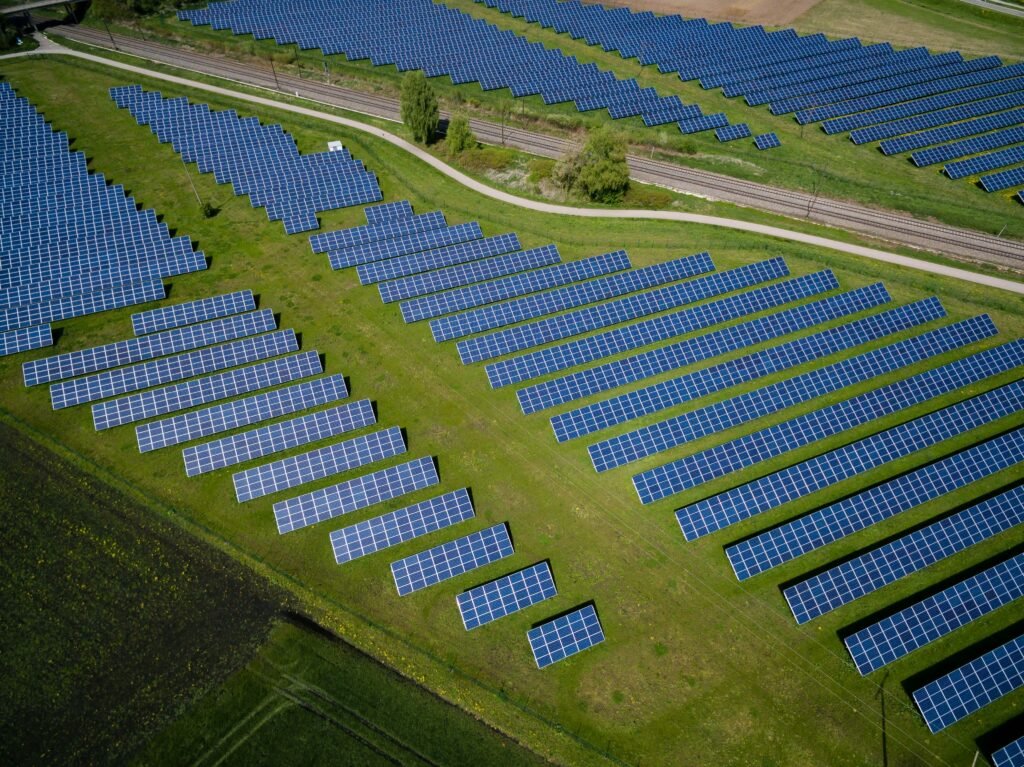
What are Solar Panels?
Solar panels are devices that convert sunlight into electricity, serving a crucial role in the renewable energy landscape. They consist primarily of photovoltaic (PV) cells, which are made from semiconductor materials, typically silicon. These cells are interlinked to form a solar module, and multiple modules can be combined to create a solar array, amplifying their energy-generating capacity. The fundamental operation of solar panels hinges on the photovoltaic effect, wherein sunlight strikes the surface of the PV cells, exciting electrons and generating a flow of electrical current.
Each solar panel comprises several key components. At its core, the photovoltaic cells absorb sunlight and initiate the conversion process. These cells are housed within a durable protective layer, usually made from tempered glass, which shields them from environmental factors while maximizing light exposure. Beneath the protective layer lies a backing material that ensures insulation and structural integrity. Additionally, solar panels are equipped with a junction box that facilitates the safe connection of the electrical output to external circuits.
The sustainable nature of solar energy plays a significant role in addressing climate change and reducing reliance on fossil fuels. Harnessing solar energy represents a cleaner alternative, as it produces no emissions during operation and uses a resource that is abundant and inexhaustible. Beyond their environmental benefits, solar panels offer economic advantages by lowering electricity bills and providing potential income streams through government incentives and energy buyback programs.
In conclusion, solar panels are essential solar energy solutions that not only offer clean electricity but also contribute significantly to a greener future. With continued advancements in technology and growing awareness of the benefits of renewable energy, the role of solar panels is poised to expand in the coming years.
The Science Behind Solar Energy
Solar energy harnesses the power of the sun through a process known as the photovoltaic effect. This phenomenon occurs when photons emitted by sunlight strike a solar cell and transfer their energy to electrons within the cell’s material, leading to the generation of an electric current.
There are two predominant types of solar cells: monocrystalline and polycrystalline. Monocrystalline solar cells are made from a single crystal structure, allowing for high efficiency and effective energy conversion. These cells are recognized for their uniform appearance and high power output, making them a popular choice for residential and commercial solar energy systems. Their efficiency often reaches up to 22% or more, which translates to more electricity generated per square foot of installation.
On the other hand, polycrystalline solar cells are composed of multiple crystal structures. These cells are typically less efficient than their monocrystalline counterparts, with efficiency rates usually ranging between 15% to 20%. However, they are generally more affordable to produce, making them a cost-effective option for many consumers. The visibility of the different crystal structures gives polycrystalline cells a speckled blue appearance, distinguishing them from monocrystalline cells.
Besides these two main types, emerging solar technologies are being developed to improve efficiency and reduce costs. Thin-film solar cells, for example, offer flexibility and lightweight properties, making them suitable for various applications where traditional solar panels may not be ideal. Overall, the scientific principles underlying solar energy demonstrate a promising potential for sustainable energy solutions, paving the way for an environmentally friendly future.
The Benefits of Solar Panels
Solar panels have emerged as a viable energy solution, attracting considerable attention due to their numerous advantages. One of the most notable benefits of installing solar panels is the potential for significantly reduced electricity bills. By harnessing sunlight, homeowners can generate their electricity, often achieving substantial savings over time. Depending on the size of the solar panel installation and local energy rates, individuals may even reach the point of net-zero energy consumption, further diminishing their utility costs.
In addition to cost savings, solar panels contribute greatly to environmental sustainability. Unlike fossil fuels, solar energy is a renewable resource that produces no harmful emissions during electricity generation. This transition to cleaner energy plays a crucial role in the reduction of greenhouse gas emissions, leading to improved air quality and a tangible impact on mitigating climate change. As society increasingly recognizes the importance of sustainable practices, the adoption of solar energy is seen as a significant step toward preserving the planet for future generations.
Moreover, solar panels offer energy independence to homeowners and communities. By producing their electricity, individuals can reduce reliance on grid power and vulnerability to fluctuating energy prices. This energy independence can also bolster energy security, especially during natural disasters or energy supply disruptions. As an added incentive, various financial programs and government incentives exist to promote solar energy adoption. Tax credits, rebates, and grants may help offset the initial installation costs of solar panels, making them a more attractive financial investment.
Collectively, the benefits of solar panels extend beyond individual homeowners to society as a whole. By decreasing energy demand from non-renewable sources and fostering a clean energy economy, solar panel adoption contributes to broader societal goals aimed at achieving sustainability and economic resilience.
Types of Solar Panels
As the demand for renewable energy grows, solar panels have emerged as a key technology in harnessing solar power. Various types of solar panels are available on the market, each with unique characteristics that cater to different needs and applications. The three most common types are thin-film, monocrystalline, and polycrystalline solar panels.
Thin-film solar panels are known for their lightweight and flexible nature, making them suitable for installations on irregular surfaces. They are often made from materials such as cadmium telluride or amorphous silicon. While they tend to have a lower efficiency rate compared to their crystalline counterparts, they can perform better in low-light conditions. Their cost is generally lower, but homeowners should consider their space availability due to the larger area required to achieve comparable output.
Monocrystalline solar panels are constructed from a single crystal structure, which gives them their distinctive uniform appearance. They are recognized for their high efficiency rates, typically ranging from 15% to 22%, making them ideal for residential rooftops where space is a constraint. Although they are on the higher end of the price spectrum, the increased efficiency can lead to greater energy savings over time, justifying the initial investment.
Polycrystalline panels, on the other hand, are made from multiple crystal structures and have a characteristic bluish hue. With efficiency ratings ranging from 13% to 16%, they offer a more affordable alternative to monocrystalline options. While they require slightly more space due to their lower efficiency, they present a balanced choice for budget-conscious consumers. Moreover, polycrystalline panels perform slightly better under high temperatures, making them advantageous in warmer climates.
In conclusion, selecting the right type of solar panel involves considering factors such as efficiency, cost, and installation space. Understanding the differences among thin-film, monocrystalline, and polycrystalline panels enables consumers to make informed decisions tailored to their unique energy needs and financial situations.
Installation Process for Solar Panels
The installation process for solar panels is a critical phase that necessitates careful planning and execution. It typically begins with a thorough site assessment, where a professional installer evaluates the roof structure, orientation, and shading. This ensures that the solar array will receive optimal sunlight exposure, which is essential for maximizing energy production. During this assessment, the installer may also consider local climate conditions and potential obstacles that could hinder performance.
Following the initial evaluation, the design of the solar system is developed. This stage involves calculating the appropriate size of the solar array based on the home’s energy requirements and the available space for installation. Here, the installer will create a detailed plan, specifying the number and type of solar panels, as well as the necessary equipment such as inverters and mounting systems.
Once the design is complete, obtaining the necessary permits is the next step. This process can vary based on local regulations but is crucial for ensuring compliance with building codes and safety standards. The installer typically handles this aspect, collaborating with local authorities to secure the required approvals before installation can commence.
Upon receiving the permits, the installation phase begins. Skilled technicians carefully mount the solar panels on the designated area, whether it be a rooftop or ground-mounted system. Proper installation techniques are vital to ensure the panels are securely affixed and can withstand various weather conditions. During this phase, safety practices must be strictly implemented to protect workers and ensure the integrity of the installation.
After the installation is finished, a final inspection is performed to verify that the system operates correctly and complies with all safety requirements. This assessment serves as a guarantee that the solar panels are functioning as intended and ready to provide renewable energy to the property.
Cost Factors and Financial Considerations
When evaluating the financial implications of solar panel installation, it is essential to consider various cost factors that influence the overall investment. The initial investment for solar panels typically includes the price of the panels themselves, installation labor, and necessary equipment such as inverters and mounting systems. Depending on the size of the system and quality of the components, solar installations can range significantly in price, often falling between $15,000 and $30,000 before any incentives or financing are applied.
In addition to the upfront costs, ongoing maintenance is another aspect to consider. Solar panels generally require minimal maintenance, but it is prudent to budget for periodic cleaning and inspections to ensure optimal performance. While many systems can function effectively without significant intervention, investing in routine maintenance can help maximize energy production and extend the lifespan of the installation. Annual maintenance costs can average between $100 and $300, although this can vary based on the complexity of the system and local service rates.
One of the most compelling financial benefits of solar energy is the potential savings on energy bills. By generating their own electricity, homeowners can significantly reduce or potentially eliminate their reliance on grid power, leading to substantial long-term savings. Depending on the location and energy prices, many households report reductions in their utility bills by 50% or more. Additionally, many states offer financing options, such as solar loans, leases, or power purchase agreements (PPAs), to facilitate the transition to renewable energy. Government incentives, such as tax credits and rebates, further enhance the financial attractiveness of solar investments, making it more accessible for a wider audience.
In conclusion, understanding the cost factors and financial considerations surrounding solar panel installation is critical for making informed decisions about renewable energy investments. The combination of upfront capital requirements, ongoing expenses, energy savings, and available financing options all contribute to the overall value proposition of harnessing solar energy.
Challenges and Limitations of Solar Energy
While solar energy presents a sustainable solution for power generation, it is not without its challenges and limitations. One of the primary obstacles is the initial cost associated with the installation of solar panels. Although prices have decreased in recent years, the upfront investment can still be significant. Homeowners and businesses must consider not only the cost of the panels themselves but also installation, maintenance, and any necessary upgrades to electrical systems. Incentives, rebates, and financing options can help mitigate these costs, but they still represent a barrier for many potential users.
Another challenge of solar energy is its dependence on weather conditions and geographic location. Solar panels generate electricity through sunlight, making them less effective on cloudy or rainy days and in regions with limited sunlight. This variability in production can lead to inconsistencies in energy supply, which may pose difficulties for energy-dependent applications and businesses. Consequently, effective planning and implementation of solar energy systems are required, particularly in areas with less predictable weather patterns.
Space requirements also present a limitation, as solar panels require considerable surface area for installation. This need can be problematic in urban environments or areas where land is scarce. Installing solar panels on rooftops can mitigate this issue, but not all roofs are suitable for such installations and may require structural adjustments to support the panels. Furthermore, solar panels cannot generate electricity at night, necessitating the use of energy storage solutions, which can increase overall system costs and complexity.
Common misconceptions about solar energy, such as the belief that it is ineffective in cold climates or that solar technology has reached its peak, can also hinder its adoption. Educating the public on the advancements in solar technology and its versatility can help dispel these myths and encourage greater acceptance of solar energy as a viable alternative.
Future Trends in Solar Technology
The solar energy landscape is experiencing rapid advancements, driven by innovative technologies that promise to enhance the efficiency and usability of solar panels. One of the noteworthy trends in solar technology is the advancement of efficiency rates. Traditional silicon-based solar panels have maintained a strong market presence; however, new materials such as perovskite are emerging as promising alternatives. Perovskite solar cells are noted for their remarkable efficiency potential, with efficiencies surpassing 25% in laboratory settings. This high-performance capability could revolutionize the market, allowing for the generation of more power from the same amount of sunlight, ultimately leading to reduced costs per watt.
In addition to efficiency improvements, energy storage developments are essential for the long-term viability of solar energy. The efficiency of solar panels is contingent not only on sunlight capture but also on the ability to store excess energy generated during peak sunlight hours. Innovations such as solid-state batteries and improved lithium-ion technology are enhancing the reliability and longevity of energy storage systems. These advancements promise to minimize reliance on the grid, thereby making solar energy a more feasible option for both residential and commercial applications.
The integration of solar energy with smart grid technology represents another significant trend shaping the future of solar power. Smart grids enable better management of electricity flow, allowing for the optimization of solar energy use according to demand fluctuations. This advanced infrastructure aids in balancing energy supplies with consumption patterns, minimizing wastage, and ensuring stability in energy distribution. As solar power systems become more interconnected with smart grids, users can benefit from real-time data analytics, leading to more informed decisions about energy consumption and increased efficiency.
These trends indicate a promising trajectory for solar technology, potentially transforming how solar energy is harnessed and utilized in the future.
How to Choose the Right Solar Panel for Your Needs
Choosing the right solar panel for your home or business is a critical decision that hinges on several important factors. First and foremost, it’s essential to assess your energy needs. Begin by reviewing your electricity consumption patterns over the past year. This will provide a baseline for determining how much energy you require from your solar panel system. Consider peak usage times and the appliances that consume the most energy; this will allow for a more tailored solar solution.
Another significant factor is your geographical location. The amount of sunlight your home receives varies, significantly affecting solar panel efficiency. If you reside in a region with frequent cloud cover, it may be prudent to opt for high-efficiency solar panels that can perform better under lower light conditions. Conversely, if your location sees abundant sunshine, standard panels may suffice. Tools such as solar irradiance maps can help in evaluating the potential solar energy generation in your area.
The type of roof you have also plays a crucial role in the selection process. If your roof is flat, different mounting systems or panel orientations may be required compared to a sloped roof. Additionally, ensure that your roof is in good condition and can support the weight of the solar installation. Budgetary considerations should not be overlooked; compare the costs of various panels and their expected lifespans, as higher upfront costs can lead to long-term savings. Also, take into account warranty options for solar panels, as this can protect your investment over time.
Overall, by carefully evaluating your energy needs, location, roof type, budget, and warranty options, you can confidently select solar panels that effectively cater to your specific requirements.
About the Author





2 thoughts on “Harnessing the Sun: A Comprehensive Introduction to Solar Panels”