
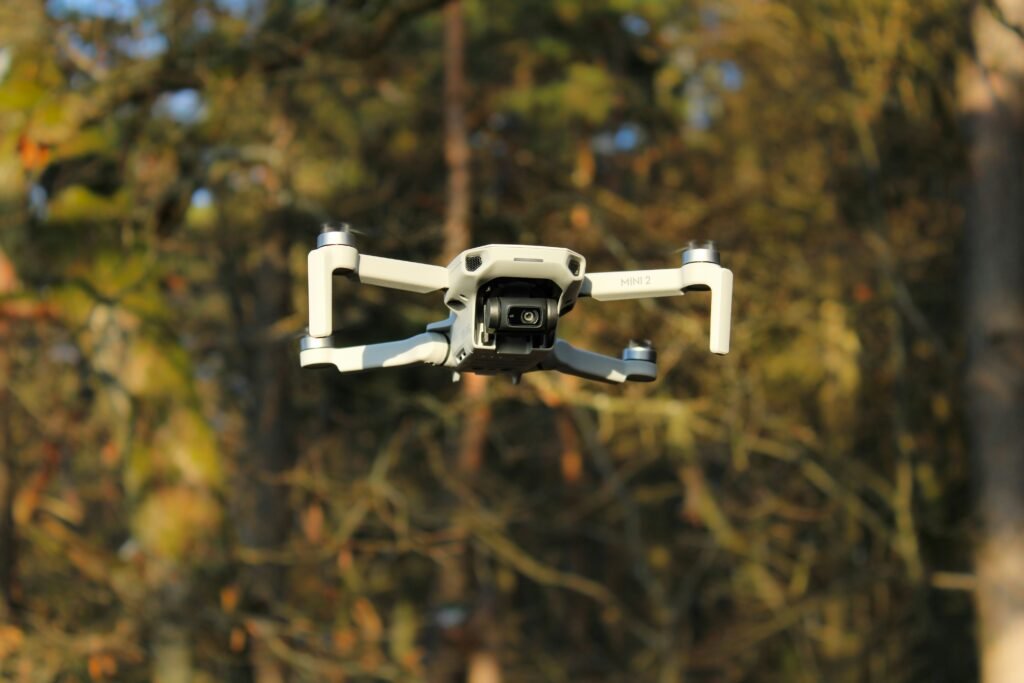
Introduction to Smart Drones
Smart drones, also known as unmanned aerial vehicles (UAVs), have rapidly evolved from basic remote-controlled models to sophisticated devices equipped with advanced technologies. These innovations enable them to perform a variety of intricate tasks, making them invaluable in numerous sectors. A smart drone typically incorporates features such as high-definition cameras, GPS navigation, obstacle avoidance systems, and, in some cases, artificial intelligence capabilities. This combination of technology allows for improved precision and efficiency in operations, which significantly enhances user experience.
The applications of smart drones have expanded significantly over the years. In the realm of photography and videography, drones provide a bird’s-eye view that was previously unattainable, enabling photographers and filmmakers to capture stunning aerial footage. In agriculture, farmers utilize drones for crop monitoring, soil analysis, and even targeted pesticide application. This facilitates precision farming, which results in increased yield and reduced resources. Additionally, the rise of delivery services has ushered in a new era of logistics, with smart drones poised to revolutionize how goods are transported. Companies are actively exploring drones to deliver packages quickly and efficiently to customers, thereby reducing delivery times and costs.
The significance of smart drones across various industries cannot be overstated. Their ability to gather data, monitor environments, and streamline processes is leading to enhanced productivity and output. Furthermore, the continuous advancements in battery life, flight range, and regulatory frameworks are further propelling the adoption of smart drones. As the technology continues to advance, one can expect even broader applications and innovations in the future. Drones are no longer just a novelty; they have become integral tools that support modern business operations and enhance everyday experiences.
Overview of DJI Drones
DJI has established itself as a leader in the smart drone industry, gaining recognition for its innovative technology and superior performance. The company’s commitment to excellence is reflected in its extensive lineup of drones, catering to both amateur and professional users. Among its most popular models are the DJI Mavic series, the Phantom series, and the Inspire series, each designed with unique features to meet particular needs.
The DJI Mavic series, for instance, is well-known for its portability and compact design, making it an excellent choice for travelers and outdoor enthusiasts. The Mavic Air 2, for example, boasts a remarkable camera that captures 4K video at 60fps and 48 MP still images, demonstrating DJI’s focus on delivering high-quality imaging capabilities. Additionally, the Mavic series offers impressive flight times, often exceeding 30 minutes, and advanced intelligent flight modes that simplify operation for users of varying skill levels.
On the other hand, the Phantom series has set a benchmark for aerial photography and videography. The Phantom 4 Pro, equipped with a 1-inch CMOS sensor, can produce stunning 20 MP photos and 4K video at 60fps. Its robust design adds durability, and the advanced obstacle sensing technology enhances safety, making it a favorite among professional filmmakers and photographers.
DJI’s Inspire series, aimed at professional-grade production, offers dual-operator capabilities, allowing one person to operate the drone while another controls the camera. This feature is particularly useful for filmmakers who require a versatile and precise aerial filming solution. DJI’s drones also feature user-friendly interfaces and mobile applications that facilitate ease of use and real-time feedback, enhancing the overall flight experience.
In the competitive landscape of drones, DJI stands out not only for its rich variety of models but also for its relentless pursuit of innovation in camera technology, flight duration, and user interaction, solidifying its position as the benchmark within the drone market.
Comparison with Competitor Drones
When evaluating the landscape of smart drones, it is essential to consider how DJI drones compare with their prominent competitors such as Autel, Parrot, and Skydio. Each brand offers unique models that cater to a variety of needs, budgets, and user preferences, thus creating a highly competitive market.
In terms of specifications, DJI continues to dominate by incorporating advanced technology in its drones. For instance, models like the DJI Mavic Air 2 are equipped with superior camera capabilities, featuring 4K video resolution and 48 MP still images. In contrast, Autel’s EVO Lite+ offers similar video quality but at a slightly lower price point, making it an appealing alternative. Similarly, Skydio drones excel in autonomous flying capabilities thanks to their exceptional obstacle avoidance technologies, which appeal particularly to users interested in racing or aerial photography under complex environments.
Price points also play a critical role in consumer decision-making. DJI’s drones typically fall into the mid to high-range pricing spectrum, reflecting their advanced features and robust build quality. Autel tends to offer competitive pricing for its feature-rich drones, such as the Autel EVO Lite, while Parrot provides budget-friendly options like the Anafi that focus on portability and ease of use rather than extensive customization. Customers frequently review these competitor drones as capable alternatives but often highlight DJI’s reputation for reliability and extensive service support.
Performance metrics are another crucial aspect for comparison. DJI drones are often praised for their stability in flight and battery longevity, whereas Skydio drones receive accolades for their navigation prowess in challenging terrains. Collectively, while each brand presents compelling offerings, DJI’s comprehensive ecosystem, coupled with its well-established brand loyalty, enhances its standing as a leader in the smart drone market.
Key Features to Look for in a Smart Drone
When choosing a smart drone, several key features should guide your decision. One of the most critical aspects is the camera quality. The resolution and sensor size directly impact the images and videos your drone can capture. Higher-quality cameras, such as those found in DJI models, often offer 4K recording capabilities, allowing for stunning aerial photography and videography.
Another important feature is flight time. A drone’s flight duration can vary based on its battery capacity, with popular smart drones typically offering between 20 to 30 minutes of flight time on a single charge. Higher flight time allows for more extensive exploration and fewer interruptions for battery replacement.
Range is equally essential when selecting a smart drone. This refers to the maximum distance a drone can travel away from the remote control while maintaining a stable connection. Exploring larger areas or capturing expansive landscapes requires a drone with extended range capabilities.
GPS functionality is another significant component. A GPS-enabled drone can effectively maintain its position, making it easier to fly and capture stable images or videos. Furthermore, advanced GPS capabilities allow for features such as automated flight paths and return-to-home functions, enhancing safety and usability.
Obstacle avoidance technology is becoming increasingly common in smart drones. This feature enables the drone to detect and avoid obstacles during flight, significantly reducing the risk of crashes. Drones equipped with multiple sensors for obstacle detection can navigate more complex environments.
Finally, consider the ease of use, particularly for beginners. Some smart drones come with user-friendly interfaces and pre-programmed flight modes to assist novice pilots. Additionally, software capabilities for editing and transmitting video should not be overlooked, as these can enhance the overall experience of using the drone.
Pros and Cons of DJI Drones
When evaluating the advantages and disadvantages of DJI drones, it is essential to consider several factors that contribute to their reputation within the industry. One significant advantage of DJI drones is their technological superiority. DJI has established itself as a leader in innovation, developing advanced features such as intelligent flight modes, obstacle avoidance systems, and high-quality cameras. These technologies enhance the user experience and provide exceptional aerial photography and videography capabilities, making DJI an attractive option for both hobbyists and professionals.
Another notable benefit is the extensive customer support that DJI offers. With a dedicated customer service team and a comprehensive online support portal, users can easily access resources, including tutorials, guides, and troubleshooting assistance. This level of customer support is particularly beneficial for newcomers to drone flying, as it reduces the learning curve and ensures a smoother experience for users who may encounter challenges.
Despite these advantages, there are some drawbacks associated with choosing DJI drones. One of the main concerns is the pricing. DJI drones tend to be more expensive than many competitors, which may limit accessibility for potential users who are on a tighter budget. Additionally, while DJI’s proprietary software offers a seamless experience, it can also present limitations in customization and integration with third-party applications. This may deter advanced users seeking more flexibility in their drone operations.
Furthermore, there are ongoing discussions regarding data privacy, as DJI drones collect user data which has raised concerns among certain regulatory bodies. This potential issue may lead some consumers to consider alternatives that prioritize data security.
In summary, DJI drones offer several advantages in terms of technological innovation and customer support, balanced by considerations of cost and proprietary limitations. Understanding both sides can help users make an informed decision when selecting the best smart drone for their needs.
Pros and Cons of Other Drones
When evaluating non-DJI drones, it is essential to consider the unique advantages and disadvantages they bring to the table. While DJI remains a dominant player in the drone market due to its well-established reputation and advanced technology, various competitors offer innovative alternatives that may fit specific user needs better.
One of the primary advantages of selecting drones from other manufacturers is their cost-effectiveness. Many new brands have emerged, offering competitively priced models that can appeal to budget-conscious consumers. These alternatives often provide good functionalities without the premium price tag associated with DJI drones. Additionally, some of these newer brands pride themselves on incorporating innovative features that cater to niche markets. For instance, certain drones may emphasize portability for travel or specialized camera capabilities for unique photography styles.
However, choosing non-DJI drones comes with its set of challenges. One of the most significant drawbacks is the potential reliability issues that may arise with lesser-known brands. Many of these manufacturers may not have the rigorous quality control practices that DJI employs, leading to concerns regarding the longevity and durability of the product. Moreover, customer service and warranty response can vary significantly among different brands, with some having limited support, which can be a cause for frustration when issues occur.
Furthermore, integrating other drones into existing workflows that are built around DJI technology can pose compatibility challenges. Consumers should also be mindful of the learning curve that comes with unfamiliar devices and the varying degrees of user-friendliness across competing brands. In summary, while non-DJI drones can offer financial savings and innovative features, potential buyers must weigh these benefits against risks related to reliability, customer support, and compatibility with existing systems.
Use Cases for Smart Drones
Smart drones have rapidly evolved and diversified in their applications, becoming indispensable tools in numerous fields. In real estate, drones equipped with high-resolution cameras provide aerial views of properties, enhancing marketing efforts. These aerial photographs and videos allow potential buyers to appreciate a property’s layout and surroundings from unique perspectives, ultimately streamlining the buying process.
In the film production industry, drones have revolutionized cinematography, enabling filmmakers to capture stunning aerial shots that were once only achievable through expensive helicopter rentals. With advanced stabilization tech, drones can deliver smooth footage even in dynamic environments. This capability allows directors to explore creative angles and perspectives, adding depth to their storytelling.
Agriculture employs smart drones for crop monitoring, irrigation management, and assessing field health. Farmers use drones to gather real-time data on crop health, significantly improving decision-making. Features like multispectral imaging enable farmers to identify crop stress, optimize fertilizer application, and monitor water resources. This technological integration fosters sustainable practices, ensuring quality yields while minimizing environmental impact.
In the realm of search and rescue, drones serve as vital assets, providing crucial support in locating missing persons or delivering supplies in inaccessible areas. Equipped with thermal imaging sensors, drones can detect the heat signatures of individuals, facilitating quicker responses during emergencies. Their ability to navigate hard-to-reach terrains enables rescuers to deploy resources efficiently.
Finally, recreational flying has gained popularity as drones offer hobbyists an engaging way to explore and document their surroundings. Many drones are equipped with user-friendly features that simplify flight operations, capturing breathtaking images and videos for personal enjoyment. These versatile capabilities across various fields demonstrate how smart drones cater to distinct needs, making them a valuable investment for both professional and personal use.
User Experiences and Reviews
When it comes to evaluating smart drones, user experiences and reviews serve as crucial indicators of performance and reliability. DJI, a dominant player in the drone industry, has garnered a significant following thanks to its well-engineered products. Users frequently praise DJI drones for their exceptional camera quality, robust build, and comprehensive feature sets. For instance, a common sentiment among enthusiasts is that the image stabilization technology in DJI models creates breathtaking aerial shots, making them ideal for professional photography and videography. Moreover, many users appreciate the intuitive user interface and responsive customer service, contributing to a more seamless flying experience.
However, DJI is not without its criticisms. Some users report issues related to firmware updates and connectivity glitches, which can hinder the overall flight experience. Moreover, concerns have been raised regarding battery life, with several drone owners suggesting that shorter flying times affect their creative projects. Such reviews highlight the importance of assessing both positive and negative experiences when considering a purchase.
Conversely, other competitors like Autel Robotics and Parrot also have their share of loyal users who tout the advantages of their offerings. For example, Autel drones are frequently commended for their competitive pricing and robust performance in difficult conditions. Users have reported positively about the durability of Autel drones, claiming that they withstand harsh weather more effectively than some DJI models. However, many reviews indicate that Autel lacks some advanced features found in DJI drones, such as more comprehensive automated flight modes.
In comparison, Parrot drones are praised for their portability and lightweight design, making them a preferred choice for hobbyists. However, users note that the camera quality does not always meet the high standards set by DJI. Balancing these user testimonials gives potential buyers a more rounded perspective when deciding between DJI and its competitors, ensuring informed purchasing decisions based on varied firsthand experiences.
Conclusion: Which Drone is Right for You?
Choosing the best smart drone is a multifaceted decision that hinges on an individual’s requirements, whether they are hobbyists, professional photographers, or enthusiasts looking to explore aerial videography. Throughout this blog, we have examined the compelling features offered by DJI drones, known for their advanced technology, user-friendly interfaces, and high-quality camera capabilities. Additionally, we have explored various competitors, such as Parrot, Autel, and Yuneec, each presenting unique advantages that cater to specific user preferences and budgets.
When selecting the right drone, it is critical to consider factors such as flight time, range, ease of use, and the type of photography or videography intended. For instance, DJI models typically excel in providing stability and superior imaging for cinematic projects, while competitors may offer affordability or additional features that appeal to specific use cases. Users passionate about racing might lean towards racing drones, while those interested in casual aerial photography might find DJI’s intuitive controls more beneficial.
Furthermore, assessing the terrain over which one intends to fly can significantly impact the choice of drone. Indoor environments might favor smaller, more agile drones, while expansive outdoor areas may warrant models with extended battery life and GPS capabilities. It is crucial for prospective buyers to evaluate the available options in the context of their operations, ensuring that the chosen drone aligns with their objectives and expertise level.
In conclusion, while DJI remains a leading name in the drone industry, numerous competitors offer viable alternatives that may align better with individual needs. Careful consideration of the factors outlined in this blog will aid potential buyers in making informed decisions, ensuring they choose a drone that meets their specific requirements effectively.
About the Author





1 thought on “Choosing the Best Smart Drone: DJI vs. Other Competitors”