Introduction to DSLR Cameras
Digital Single-Lens Reflex (DSLR) cameras have been a staple in the photography world since their inception, predominantly favored by both amateur and professional photographers for their versatility and image quality. A DSLR camera employs a mirror mechanism that allows photographers to view the exact image that will be captured through the lens, providing a precise and controlled shooting experience. This fundamental design differentiates DSLRs from their mirrorless counterparts, which forgo the mirror mechanism and electronic viewfinders, resulting in typically smaller and lighter bodies.
The significance of DSLR cameras in the realm of photography lies in their ability to produce high-resolution images with greater detail and dynamic range compared to compact point-and-shoot cameras. Moreover, the extensive selection of interchangeable lenses enables photographers to tailor their equipment to specific styles and environments, whether it be landscape, portrait, or wildlife photography. Notably, brands like Nikon and Canon have played a pivotal role in the evolution of DSLRs, offering a wide range of models that cater to varying levels of expertise and budget considerations.
As photography technology continues to evolve, the competition between Nikon and Canon remains fierce. Both brands boast a rich history and a loyal following, consistently delivering innovations in camera design, functionality, and performance. Understanding the attributes of DSLR cameras is crucial when evaluating which brand may be more suitable for individual photographic needs. In the following sections, we will delve deeper into the specifics of Nikon and Canon DSLRs, comparing their features, strengths, and user experiences to help aspiring photographers make informed decisions.
Overview of Nikon Cameras
Nikon has established itself as a prominent brand in the photography world since its inception in 1917. Originally founded as Nippon Kogaku K.K., the company initially focused on producing optical instruments, shifting towards cameras in the mid-20th century. Throughout its long history, Nikon has garnered a reputation for innovative technology, durability, and high-quality imaging capabilities, making it a preferred choice among both amateur and professional photographers.
One of Nikon’s most notable contributions to photography is its series of digital Single-Lens Reflex (DSLR) cameras and mirrorless systems. The Nikon D850, released in 2017, is particularly revered for its 45.7-megapixel sensor, exceptional dynamic range, and robust build, catering to landscape, portrait, and studio photographers alike. Additionally, the Nikon D7500, launched as a robust mid-range option, offers a 20.9-megapixel sensor and an impressive burst shooting rate, appealing to sports and wildlife photographers who require speed and precision in their work.
Nikon cameras are characterized by a user-friendly interface and ergonomic design, allowing for comfortable handling even during extended shooting sessions. The latest models include advanced features such as 4K UHD video recording, built-in Wi-Fi, and Bluetooth connectivity, enabling photographers to share their images easily and enhance their creative process through various applications. Moreover, Nikon’s commitment to lens compatibility means that users can benefit from a vast array of NIKKOR lenses, catering to diverse photographic styles.
Nikon’s contributions extend beyond just hardware; they have invested in software and educational resources, further solidifying their standing within the photography community. As photographers explore the limits of their creativity, Nikon stands as a testament to quality and reliability, embodying decades of tradition while embracing technological advances. This makes Nikon a leading choice for enthusiasts and professionals seeking excellence in photography.
Overview of Canon Cameras
Canon has established itself as a prominent player in the photography industry since its inception in 1937. The brand has consistently innovated and adapted to technological advancements, which significantly contributed to its reputation among both amateur and professional photographers. Canon’s cameras are noted for their reliability, user-friendly interfaces, and exceptional image quality, making them a preferred option for many serious photography enthusiasts.
The range of Canon Digital Single-Lens Reflex (DSLR) cameras showcases the brand’s commitment to providing products that cater to various levels of expertise. Notable models include the Canon EOS 90D and the Canon 5D Mark IV. The EOS 90D, a versatile DSLR, is well-suited for those seeking a camera that excels in both still photography and videography. It features a 32.5-megapixel sensor, fast autofocus capabilities, and built-in 4K video recording, making it particularly appealing for content creators.
On the other hand, the Canon 5D Mark IV represents a high-performance choice, often favored by professionals. This model integrates a robust 30.4-megapixel full-frame sensor, which allows for remarkable low-light performance and dynamic range. The camera’s advanced autofocus system and weather-sealed body also ensure its durability and functionality in various shooting conditions, which adds to its allure amongst professional photographers.
In addition to these models, Canon also offers a diverse array of lenses and accessories that enhance the photographic experience. Canon’s commitment to innovation is reflected in its continuous development of features like Dual Pixel CMOS AF technology and connectivity options such as Wi-Fi and Bluetooth, allowing for easy sharing of images. Thus, Canon remains a significant contender in the world of photography, providing tools that empower photographers to achieve their creative vision.
Comparative Analysis of Image Quality
When evaluating image quality, both Nikon and Canon have made significant strides in camera technology, resulting in a wide array of options tailored to diverse photography needs. A few critical factors contribute to image quality, among which sensor size, resolution, color accuracy, and low-light performance are paramount.
First, sensor size can significantly influence overall image quality. Generally, larger sensors tend to capture more light, resulting in better detail and reduced noise. Nikon frequently employs larger sensors in its FX-series cameras, such as the Nikon D850, which features a full-frame 45.7 MP sensor, delivering exceptional detail and dynamic range. Conversely, Canon’s EOS 5D Mark IV offers a similarly impressive full-frame 30.4 MP sensor, showcasing remarkable color depth and accuracy. Both brands effectively utilize their sensors to ensure vibrant image reproduction.
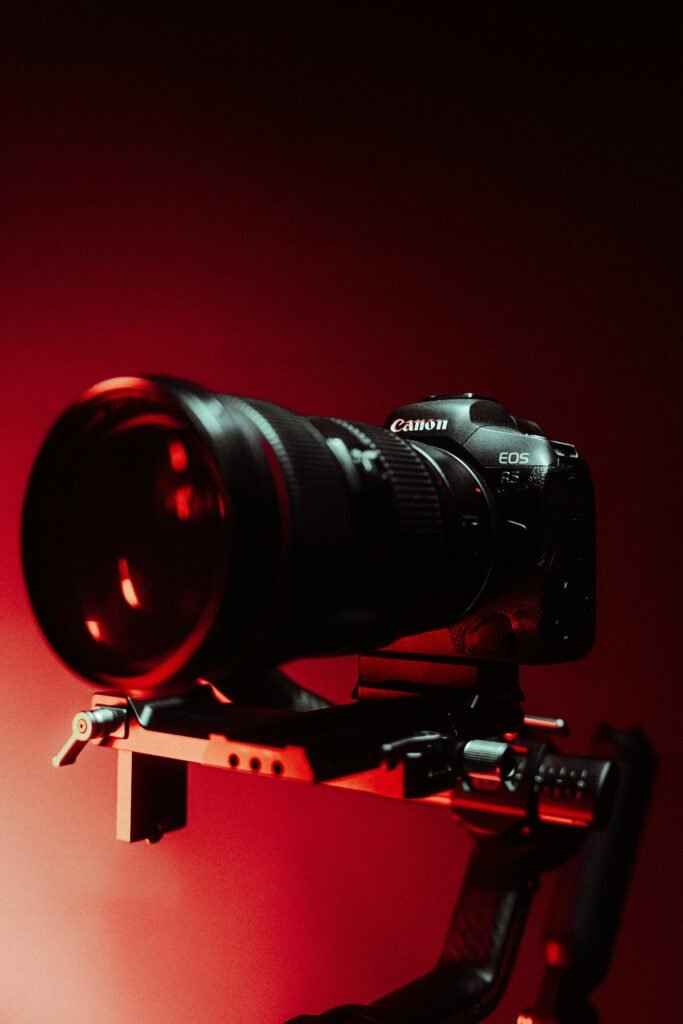
Resolution is another vital element of image quality. Higher megapixel counts allow for greater detail and cropping flexibility. For example, Nikon’s Z7 equipped with a 45.7 MP sensor offers stunning resolution that appeals to landscape and commercial photographers. Canon counters with the EOS R5, featuring a groundbreaking 45 MP sensor, which excels in both capturing intricate details and delivering high-resolution images even under challenging conditions.
Color accuracy is equally important, impacting the overall tone and feel of photographs. Nikon tends to produce images with a slightly warmer tone, while Canon is often praised for its skin tone representation, particularly in portrait photography. Both brands provide fantastic color science, catering to different artistic preferences.
Lastly, performance in low-light conditions is a critical consideration for many photographers. Nikon cameras, such as the D750 and Z6, excel at high ISO performance, producing clear images with minimal noise. Canon’s EOS R series also perform admirably in low light, allowing photographers to capture stunning images in dimly lit environments.
Lens Compatibility and Options
The choice of lenses plays a crucial role in a photographer’s experience and the outcomes of their work. Both Nikon and Canon offer a diverse range of lenses that cater to various photography styles and requirements. Nikon’s lens lineup includes options for everything from wide-angle landscapes to telephoto wildlife shots. Canon similarly provides a comprehensive selection of lenses, ensuring that photographers can find suitable options for their specific needs.
When examining lens compatibility, it is essential to consider the mounts used by both brands. Nikon cameras typically utilize the F-mount for their DSLR models, whereas their mirrorless series employs the Z-mount. Canon, on the other hand, features the EF mount for its DSLR line, and the RF mount for mirrorless cameras. While both manufacturers offer extensive native lens options, compatibility across different mounts can pose challenges. For instance, F-mount lenses can often be adapted for use with Z-mount cameras, but such adaptations may result in limitations regarding autofocus capabilities and in-camera controls.
Third-party manufacturers have recognized the demand for varied lenses and have created options compatible with both Nikon and Canon systems. Companies such as Sigma and Tamron design lenses specifically for both camera brands, providing additional choices for photographers. These third-party lenses often feature unique designs and capabilities, sometimes offering better performance or value compared to brand-specific options.
Ultimately, the impact of lens choice on photographic outcomes cannot be understated. A high-quality lens can dramatically enhance image clarity, color accuracy, and overall aesthetics. Hence, when making a decision between Nikon and Canon cameras, it is vital to consider not just the camera body but also the extensive lens options available, including both native lenses and third-party alternatives. This comprehensive approach will ensure that photographers can effectively achieve their artistic vision.
User Interface and Ergonomics
The user interface and ergonomics of a camera are crucial factors that can significantly influence a photographer’s overall experience. Both Nikon and Canon have established dedicated followings, and understanding the nuances of their designs and functionalities can aid in making an informed choice.
Nikon cameras often feature a straightforward menu system that emphasizes ease of access to essential functions. Users typically find the navigation logical, which can enhance the shooting experience, especially in high-pressure or dynamic environments. Additionally, Nikon’s button layout tends to be well thought out, allowing for quick adjustments without diverting attention from the subject. Many photographers appreciate the solid grip provided by Nikon bodies, which feels comfortable during extended use, facilitating better control and stability.
On the other hand, Canon cameras are lauded for their intuitive interface as well, often employing a touchscreen option that simplifies access to various settings and functions. This can be particularly advantageous for new photographers who may feel overwhelmed by intricate menus. Canon’s layout often prioritizes essential shooting modes, ensuring users can shift between settings with minimal disruption. Moreover, the ergonomics of Canon cameras are designed keeping user comfort in mind, with many models adopting a more contoured body shape that fits various hand sizes effectively, providing a well-rounded grip.
Ultimately, the differences in user interface and ergonomics between Nikon and Canon may come down to personal preference. While some photographers prefer Nikon’s traditionally straightforward approach, others may gravitate towards Canon’s modern, adaptable interfaces. The choice between these two prominent brands not only hinges on performance but also on which design philosophy aligns more closely with one’s shooting style.
Pricing and Value for Money
When considering a purchase between Nikon and Canon cameras, pricing structures play a significant role in guiding a photographer’s decision. Both brands offer a range of models tailored to various skill levels and budgets, making it essential to analyze entry-level, mid-range, and professional options to understand the value they provide.
Entry-level cameras from Nikon, such as the D3500, are typically priced competitively, making them an excellent choice for beginners who are venturing into photography. Canon’s entry-level options, like the EOS Rebel T7, also come at similar price points, providing users with an accessible way to start their photography journey. Both brands generally include essential features in these models, ensuring that new photographers can capture quality images without a substantial financial commitment.
In the mid-range category, Nikon’s Z50 and Canon’s EOS M50 Mark II highlight the competition as they balance advanced capabilities with affordability. Prices for these models may vary slightly depending on the included lenses and features, but both brands work to provide excellent value for money. Photographers in this segment are likely to find robust performance and versatility that can adapt to a variety of shooting conditions.
For professional photographers, both Nikon and Canon present high-end models like the Nikon Z9 and Canon EOS R5. These flagship cameras come with premium pricing; however, they offer exceptional value through advanced technology, superior image quality, and extensive features. The investment in a professional model is often justified by the results they yield and the reliability they provide during critical shooting scenarios.
Ultimately, the choice between Nikon and Canon may depend on individual budget constraints and the specific features desired. Each brand offers a unique pricing structure that caters to various markets, ensuring photographers can find a model that fits their needs without compromising on quality.
Community and Support
When delving into the world of photography, the availability of community support and resources can greatly influence the experience for photographers. Both Nikon and Canon have established robust communities that offer forums, social media groups, and educational resources designed to assist photographers at every level. These collective forums allow enthusiasts to share tips, techniques, and experiences, fostering a sense of belonging within the photographic community.
Nikon users benefit from several dedicated online forums where they can seek advice, share their work, and discuss technical specifications. Websites like Nikon Rumors and the Nikon Photography Forums are vibrant platforms for users to engage with each other. Similarly, Canon has built a strong online presence, with communities such as Canon Rumors and Camera Labs, where users can find support, reviews, and a plethora of tutorials. Engaging with these communities fosters collaboration among photographers and cultivates learning opportunities that can aid in honing one’s craft.
Social media platforms, particularly Facebook and Instagram, have also become central hubs for photographers from both brands. Facebook groups dedicated to Nikon or Canon, often categorized by specific genres of photography, provide a platform for sharing work and seeking constructive feedback. These groups tend to include valuable resources, including challenges, workshops, and webinars led by experienced photographers, which are beneficial for skill development.
It is important to note that switching brands can impact a photographer’s access to these community-driven resources. While many skills and concepts are transferable between systems, recommended practices, and workflows may differ. A photographer transitioning from Nikon to Canon may need to adapt to a new set of forums and groups, potentially affecting their engagement in the community. Therefore, consideration should be given to both brands’ support ecosystems when making decisions about future camera investments.
Conclusion: Making the Right Choice
In the ongoing debate of Nikon vs Canon, the decision ultimately hinges on individual preferences and specific photography needs. Throughout the post, we have examined key aspects such as image quality, lens selection, usability, and brand reputation, each of which plays a significant role in a photographer’s experience. Depending on whether one is a beginner, intermediate, or a professional, different features may appeal to varying skill levels and artistic desires.
For beginners, Canon cameras often come equipped with a user-friendly interface, making them exceptionally accessible for those just starting their photography journey. The wide range of automatic settings available can facilitate the learning process, allowing new photographers to focus on composition and creativity without the complexities of manual settings. On the other hand, Nikon offers robust quality and superior low-light performance, which might be attractive for novices who anticipate exploring different environments and situations as they become more confident in their skills.
Intermediate photographers may find themselves drawn to the greater customization offered by Nikon. Both Nikon and Canon provide extensive options in terms of accessories and lenses, allowing for a more tailored photographic experience. Photographers at this level may appreciate specific brand features, like Nikon’s superior dynamic range or Canon’s exceptional color science, which can enhance their imaging experience.
For professionals, the choice between Nikon and Canon often respects personal experience and preference, given the similar high performance of cameras across both brands. Many professionals choose based on workflow compatibility and particular needs, like sports photography or landscape work, which may necessitate distinctive capabilities.
In conclusion, regardless of skill level, the best camera choice for photography will always be grounded in personal preference and the type of photography one intends to pursue. Each brand has unique advantages that cater to different photography styles, emphasizing the significance of practical experience in making an informed decision.
About the Author