Introduction to Weapons of Mass Destruction
Weapons of mass destruction (WMDs) represent a unique class of weaponry characterized by their capacity to inflict massive casualties and widespread devastation. These weapons are generally categorized into three main types: nuclear, chemical, and biological weapons. The historical significance of WMDs extends from their origins to their pivotal role in shaping international relations and warfare strategies.
The term “weapons of mass destruction” gained prominence during the 20th century, particularly in the context of the two World Wars and the Cold War. Nuclear weapons, which emerged during World War II, exemplify the most extreme form of WMDs. The bombings of Hiroshima and Nagasaki in 1945 not only marked a turning point in military strategy but also ushered in an era characterized by the fear of nuclear proliferation and the doctrine of mutually assured destruction (MAD). This historical backdrop underscores the profound impact that WMDs have had on global security dynamics.
In addition to nuclear weapons, chemical weapons have also played a significant role in contemporary warfare, dating back to their first large-scale use during World War I. The introduction of agents such as mustard gas highlighted the horrific potential of these weapons, leading to various international treaties aimed at their prohibition. Similarly, biological weapons, which utilize pathogens or toxins, present a particular challenge due to their potential for unintentional contamination and rapid spread, raising ethical and security concerns regarding their use in conflicts.
Thus, understanding the concept of WMDs is crucial for comprehending their implications for global security and the ongoing debates surrounding their prevention and disarmament. By exploring these formidable weapons, it becomes evident how they have fundamentally altered the landscape of warfare and international diplomacy.
The Evolution of Weaponry Through the Ages
The history of weaponry is a profound narrative that mirrors humanity’s progress and conflict over millennia. From primitive tools to sophisticated machinery, the evolution of weapons has played a pivotal role in shaping civilizations and warfare. In ancient times, early humans fashioned rudimentary weapons such as spears and clubs, primarily designed for hunting and defense against predators. These basic tools laid the groundwork for more complex weaponry as societies advanced.
As civilizations developed, so too did the sophistication of their weaponry. The introduction of metallurgy around 3000 BCE facilitated the creation of stronger and more durable weapons such as swords, axes, and shields. These advancements allowed armies to engage in larger scale conflicts, marking a significant shift in warfare paradigms. The rise of empires, notably in regions such as Mesopotamia and Rome, showcased the importance of weapons in establishing dominance and controlling territories.
With the Middle Ages came the invention of gunpowder, revolutionizing the landscape of combat. Cannons and firearms emerged as game-changing technologies, significantly increasing lethality on the battlefield. The development of weapons such as the arquebus and later the musket altered military strategies and rendering traditional armored warfare obsolete. The Renaissance period further accelerated weapon innovation, leading to advancements in artillery and naval warfare.
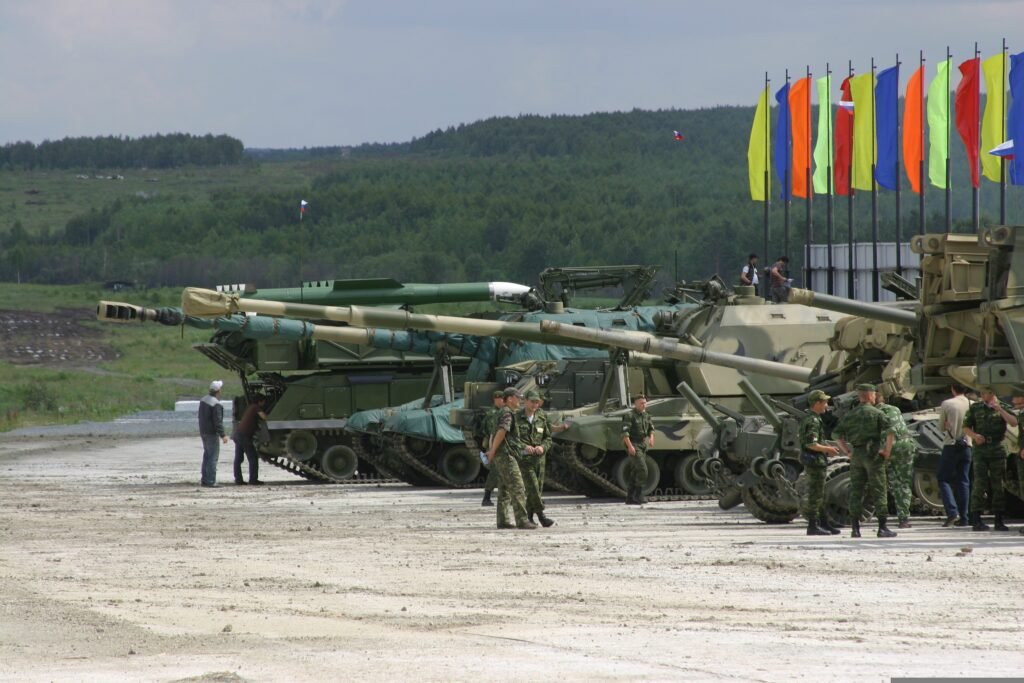
The Industrial Revolution brought about mechanization and mass production, enabling the manufacture of more sophisticated and efficient weapons. This period birthed machine guns, repeating rifles, and eventually tanks and airplanes, drastically changing how wars were waged. In the 20th century, the introduction of nuclear weapons created a stark contrast, presenting a level of destruction previously unimaginable, thus redefining the concept of warfare and global security.
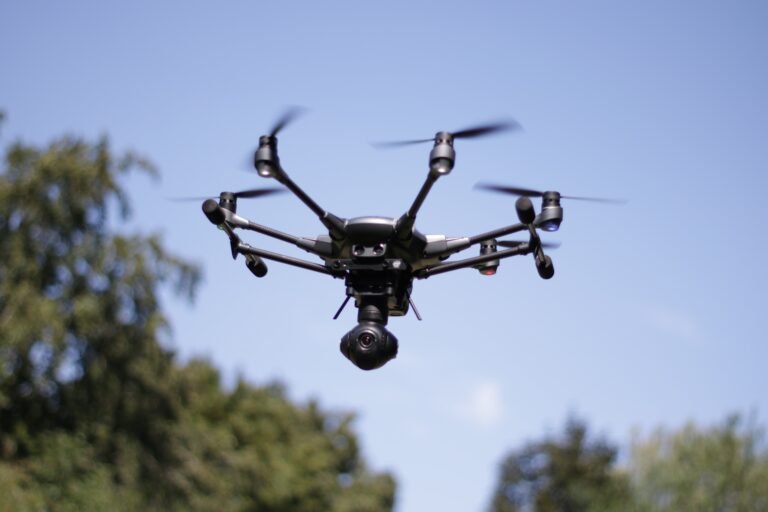
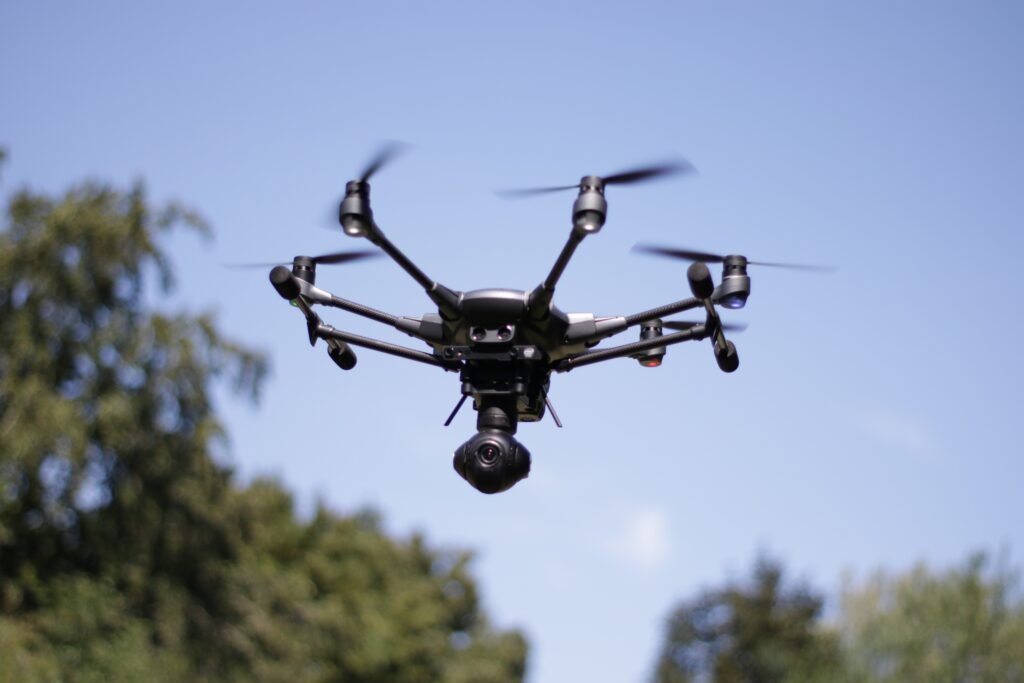
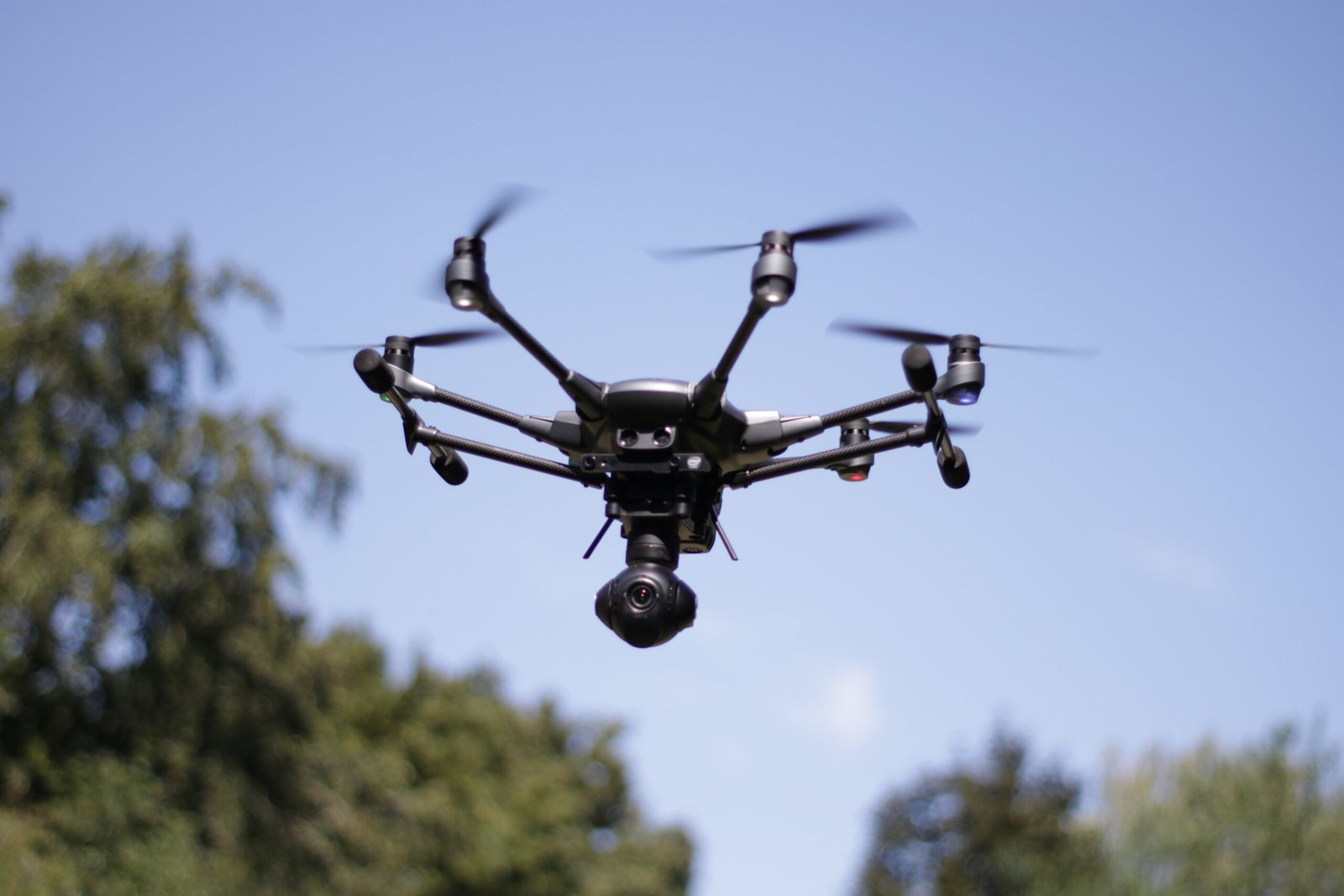
Today, weaponry continues to evolve at an unprecedented pace. Advances in technology have led to the development of drones, cyber weapons, and other forms of warfare that challenge traditional notions of security and warfare. As we reflect on the evolution of weaponry, it is evident that advancements not only enhance the capability of defense but also raise profound ethical and strategic considerations for the future.
Nuclear Weapons: The Pinnacle of Destruction
Nuclear weapons represent one of the most perilous advancements in military technology, characterized by their immense capacity for destruction. Initially developed during World War II, these weapons utilize nuclear reactions to unleash explosive energy far surpassing conventional arms. The catastrophic consequences of deploying such armaments are evident in the historical events of Hiroshima and Nagasaki in 1945, where atomic bombings resulted in extensive loss of life, untold suffering, and long-lasting environmental damage. The aftermath of these bombings demonstrated the horrific potential of nuclear weapons, effectively reshaping international relations and military strategies.
Currently, the global nuclear stockpile is a matter of significant concern, with nine nations possessing approximately 13,000 nuclear warheads. The proliferation of nuclear weapons continues to pose a substantial threat, as more countries seek to acquire these capabilities, often leading to heightened tensions and potential conflict. Nations such as the United States, Russia, and China maintain large arsenals, complicating efforts toward disarmament. Various treaties, including the Treaty on the Non-Proliferation of Nuclear Weapons (NPT), aim to limit the spread of nuclear weapons and promote disarmament; however, compliance and commitment remain challenging.
The implications of nuclear weapons usage extend beyond immediate destruction; they can result in a humanitarian crisis, long-term ecological devastation, and geopolitical instability. The fear of mutually assured destruction has acted as a deterrent against nuclear warfare since the Cold War era, yet the unpredictability of global politics raises concerns about miscalculations and escalations. Despite this deterrent effect, recent advancements in technology and the evolving geopolitical landscape have led to renewed debates regarding the role of nuclear weapons in national security and the necessity for effective disarmament strategies.
Chemical Weapons: Silent Killers
Chemical weapons are a class of weaponry that utilize toxic chemical agents to inflict harm, incapacitation, or death in human populations. Unlike conventional arms, which cause destruction through explosive means, chemical weapons operate by poisoning individuals and contaminating environments. These weapons can take various forms, including nerve agents, blistering agents, and choking gases, each with distinct mechanisms of action designed to affect physiological functions dramatically.
The historical use of chemical weapons dates back to World War I, which marked a significant turning point in warfare. The deployment of chlorine gas and later, mustard gas, led to numerous civilian and military casualties, revealing the gruesome effectiveness of such silent killers. In the years that followed, various conflicts, including the Vietnam War and the Syrian Civil War, have highlighted the continued presence of chemical weapons in modern combat, raising profound humanitarian concerns.
In response to the horrors associated with chemical warfare, the international community has made concerted efforts to regulate and eradicate these weapons. The 1993 Chemical Weapons Convention (CWC) represents a milestone in these efforts, prohibiting the development, production, and stockpiling of chemical weapons. Signatory nations have committed to disarming and ensuring that chemical agents are used solely for peaceful purposes, such as medicine and agriculture. However, challenges remain in enforcement, monitoring compliance, and addressing non-signatory states that may engage in clandestine operations.
Despite attempts at regulation, the legacy of chemical warfare persists, reminding us of the dire implications these silent killers harbor. It is crucial to remain vigilant and advocate for stringent measures that prioritize humanity’s safety, as the threats posed by chemical weapons continue to loom in our global landscape.
Biological Weapons: Threats from Microorganisms
Biological weapons represent a unique category of hazardous ordnance that utilizes pathogenic microorganisms or toxins to inflict harm. These weapons can unleash devastating consequences, not only as a result of high mortality rates but also due to their capacity to disrupt societies and economies. Infectious agents, ranging from bacteria and viruses to fungi and toxins, can be weaponized in various forms, including aerosols, liquids, and powders, making them versatile tools for warfare and terrorism.
One of the most notorious instances highlighting the potential of biological weapons is the anthrax attacks that occurred in the United States in 2001. Letters containing anthrax spores were mailed to several media outlets and government officials, resulting in five deaths and numerous infections. This incident drew attention to the fragility of biosecurity measures in place, emphasizing the urgent need for robust systems to prevent the proliferation of these dangerous agents.
Despite their devastating potential, biological weapons pose substantial challenges for national security and public health systems worldwide. The inherent difficulty in detecting and disabling such agents, alongside the ease with which certain microorganisms can be cultured, adds complexity to controlling bioweapons. Moreover, advancements in biotechnology and synthetic biology have raised concerns about the dual-use nature of scientific research, where harmless techniques can be repurposed for malevolent uses.
Efforts to combat the risks associated with biological weapons involve multiple approaches, including international treaties like the Biological Weapons Convention (BWC) and ongoing research to enhance detection capabilities. However, the dynamic nature of emerging infectious diseases, coupled with the potential for misuse of biotechnology, requires continuous vigilance and cooperative global efforts. Only through comprehensive strategies can the threats posed by biological warfare be effectively mitigated while safeguarding public health and safety.
Cyber Warfare: The New Frontier of Weaponry
In recent years, the landscape of warfare has transformed dramatically with the advent of digital technologies, leading to the emergence of cyber warfare as a formidable instrument of conflict. This new category of weaponry leverages the interconnectedness of systems, making it possible for adversaries to target national security and critical infrastructure without the need for traditional military engagements. Cyber warfare encompasses a range of activities, including hacking, information theft, and the disruption of essential services, thus presenting substantial threats to governments and corporations alike.
Notable cyber-attacks in recent history illustrate the severity and implications of this emerging form of warfare. For instance, the 2017 WannaCry ransomware attack compromised thousands of computers globally, affecting hospitals, businesses, and public services, thereby demonstrating how vulnerable crucial infrastructures can be to such threats. Moreover, the 2020 SolarWinds incident saw a sophisticated intrusion into U.S. government networks, attributed to a state-sponsored actor, underscoring the perilous realities of cyber offenses as strategic weapons. These incidents questioned the existing frameworks of national defense and called for enhanced cybersecurity measures.
The classification of cyber-attacks as weapons of war complicates existing international laws and norms, as the rules of engagement for traditional warfare do not directly apply to a digital context. This has led to debates on the ethics and legality surrounding cyber operations, including issues of attribution, proportionality, and state responsibility. Furthermore, the increasing reliance on technology in critical sectors makes them attractive targets for both state and non-state actors, heightening the potential for escalated conflict initiated through cyberspace.
The Role of Policy and International Treaties
The governance of dangerous weapons on a global scale plays a pivotal role in maintaining international security. Various international treaties and agreements have been established to mitigate the dangers posed by weapons of mass destruction, which prominently include nuclear, chemical, and biological arms. Among the most significant treaties in this regard is the Nuclear Non-Proliferation Treaty (NPT), which was opened for signature in 1968. The NPT aims to prevent the spread of nuclear weapons and promote peaceful uses of nuclear energy. By fostering cooperation between nuclear-armed and non-nuclear states, this treaty seeks to establish a framework that encourages disarmament and non-proliferation efforts.
Another crucial agreement is the Chemical Weapons Convention (CWC), which seeks to eliminate chemical weapons globally. Implemented in 1997, the CWC obligates its member states to forgo the development, production, stockpiling, and use of chemical weapons. Furthermore, the CWC establishes a stringent verification regime overseen by the Organisation for the Prohibition of Chemical Weapons (OPCW) to ensure compliance and foster trust among nations.
Diplomatic efforts remain essential for the successful implementation of these treaties. Engaging in dialogue and negotiations among nations can create an environment conducive to reducing the threat posed by dangerous weapons. Regional frameworks and global initiatives act as vital instruments in addressing the proliferation challenges. For instance, the Treaty on the Prohibition of Nuclear Weapons (TPNW), adopted in 2017, represents a significant step forward toward achieving a world free of nuclear arms. However, the effectiveness of these treaties hinges on genuine commitment from member states, as unilateral actions can undermine collective goals.
Understanding the importance of policy and international treaties in addressing the challenges associated with dangerous weapons is crucial. A collaborative approach that prioritizes diplomatic engagement is paramount in ensuring that nations work together toward a more secure world.
Ethical Considerations in Warfare
The ethical considerations surrounding warfare and the use of dangerous weapons, particularly weapons of mass destruction (WMDs), challenge both moral philosophy and international relations. The decision to engage in armed conflict raises profound questions about the value of human life, the justification of violence, and the long-term implications of actions taken during war. As nations navigate these treacherous waters, they must confront the ethical dilemmas inherent in the deployment of WMDs, which have the potential for catastrophic consequences.
One of the significant ethical concerns revolves around the principle of proportionality, which asserts that the harm caused by military actions should be proportional to the anticipated military advantage. This principle becomes increasingly complex when discussing WMDs, as their indiscriminate nature can result in significant civilian casualties. Ethical debates often center on whether the potential benefits of using such weapons can ever justify the immense loss of innocent lives and long-lasting environmental damage.
Moreover, the moral implications of warfare compel nations to consider their responsibility to protect civilians, even amidst armed conflict. International humanitarian law establishes a framework aimed at minimizing harm to non-combatants, yet the nature of modern warfare blurs these lines. The ethical question arises: to what extent should nations adhere to these norms when facing an existential threat? Additionally, the concept of just war theory provides a philosophical foundation for analyzing warfare’s ethics, arguing that war must be a last resort and that means used in conflict should be morally justifiable.
Ultimately, engaging in discussions about the ethical considerations of warfare and the use of dangerous weapons highlights the need for a careful, thoughtful approach to international relations and military strategy. Nations are tasked not only with the defense of their interests but also with the moral obligation to navigate the complexities of warfare responsibly, ensuring that humanity’s shared values are upheld even in the gravest situations.
Future Threats: Emerging Technologies and Warfare
The rapid advancement of emerging technologies is fundamentally transforming the landscape of warfare and, consequently, global security. Technologies such as artificial intelligence (AI), autonomous weapons, and enhanced destructive capabilities present both unprecedented opportunities and significant risks. As nations increasingly invest in these innovations, the implications for conflict dynamics and international stability become paramount.
Artificial intelligence is at the forefront of this transformation, enabling unprecedented levels of data processing and decision-making speed. Military applications of AI can analyze vast amounts of information to predict enemy movements, assess threats, and propose strategies. However, this same capability raises ethical concerns, as algorithms can make critical decisions on life and death without human intervention. The reliance on AI could also lead to unforeseen consequences, particularly if these systems are hacked or malfunctioned.
Autonomous weapons systems, which can operate without direct human control, further complicate the existing moral and legal frameworks governing warfare. These machines may execute complex combat tasks, potentially leading to more efficient and devastating engagements. However, when accountability issues arise, such as distinguishing between combatants and civilians, the absence of human oversight becomes particularly troubling. This raises significant questions about the moral implications of deploying such technologies in conflict scenarios.
Enhanced destructive capabilities, including advanced drones and cyber warfare tools, elevate the stakes of international conflict. The potential for these technologies to be deployed by non-state actors or rogue states increases the unpredictability of global security. The potential for asymmetric warfare is also heightened, meaning that smaller, less powerful entities could utilize sophisticated technologies to challenge dominant military powers effectively.
As these emerging technologies continue to evolve, the international community faces the urgent need to establish regulatory frameworks that can govern their use. Safeguarding against misuse and ensuring accountability in warfare are crucial to maintaining global peace and security in the face of these transformative threats.
About the Author