Introduction to Passenger Airplanes
Passenger airplanes are among the most remarkable achievements in the field of engineering and transportation. They serve as a vital link between various regions of the globe, enabling people to traverse vast distances in a matter of hours. The significance of these aircraft in modern society cannot be overstated; they facilitate not only personal travel but also global commerce and cultural exchange. By shortening travel times and making far-off destinations accessible, passenger airplanes have fundamentally transformed the way we live and interact.
The journey of aviation began in the late 19th century with the emergence of lighter-than-air balloons. However, it was not until the early 20th century that significant advancements in aerodynamics and engine technology paved the way for powered flight. The Wright brothers’ historic flight in 1903 marked a pivotal moment in history, showcasing the potential of heavier-than-air travel. As technology evolved, airplanes transitioned from rudimentary designs to sophisticated machines capable of carrying numerous passengers comfortably over long distances.
By the mid-20th century, passenger airliners had started to become a common mode of travel. The introduction of the Boeing 707 in the late 1950s revolutionized the airline industry by enabling jet travel, which significantly cut down flight times and improved the travel experience. Subsequent innovations have led to the development of larger aircraft, such as the Airbus A380, allowing airlines to transport hundreds of passengers in a single journey. Throughout this progression, passenger airplanes have maintained their relevance and have continually adapted to meet the demands of modern travel, including considerations for safety, efficiency, and environmental impact.
The Basic Principles of Flight
The marvel of flight can be attributed to the intricate interplay of four primary forces: lift, weight, thrust, and drag. Understanding these fundamental principles is crucial for grasping how passenger airplanes operate in the sky. Each force serves a specific purpose and contributes to the overall flight dynamics of an aircraft.
Lift is the force that enables an airplane to rise off the ground. It is generated primarily by the wings of the aircraft, which are specially designed to alter the airflow around them. As the airplane moves forward, air travels faster over the top of the wing than underneath it, creating a difference in pressure that results in lift. This phenomenon is explained by Bernoulli’s principle, which states that an increase in the speed of a fluid occurs simultaneously with a decrease in pressure. The design of the wing, known as an airfoil, is critical in maximizing lift, allowing the aircraft to ascend into the sky.
Conversely, weight is the force that pulls the airplane downward due to gravity. The balance between lift and weight is fundamental to maintaining controlled flight. An airplane must generate sufficient lift to overcome its weight when taking off and during altitude maintenance. The pilots and onboard systems continuously monitor this balance to ensure stability and safety throughout the flight.
Thrust is the forward force produced primarily by the aircraft’s engines. It pushes the airplane through the air, allowing it to reach the necessary speed for lift-off. Without adequate thrust, the plane would not be able to gain enough speed for the wings to generate sufficient lift. Finally, drag opposes the motion of the airplane through the air, creating resistance that must be overcome to maintain forward momentum. Efficient design and aerodynamics help minimize drag, allowing airplanes to achieve cruising speeds with optimal fuel efficiency.
These four forces—lift, weight, thrust, and drag—are fundamental to the principles of flight, enabling passenger airplanes to soar across the skies with remarkable efficiency and safety.
The Anatomy of a Passenger Airplane
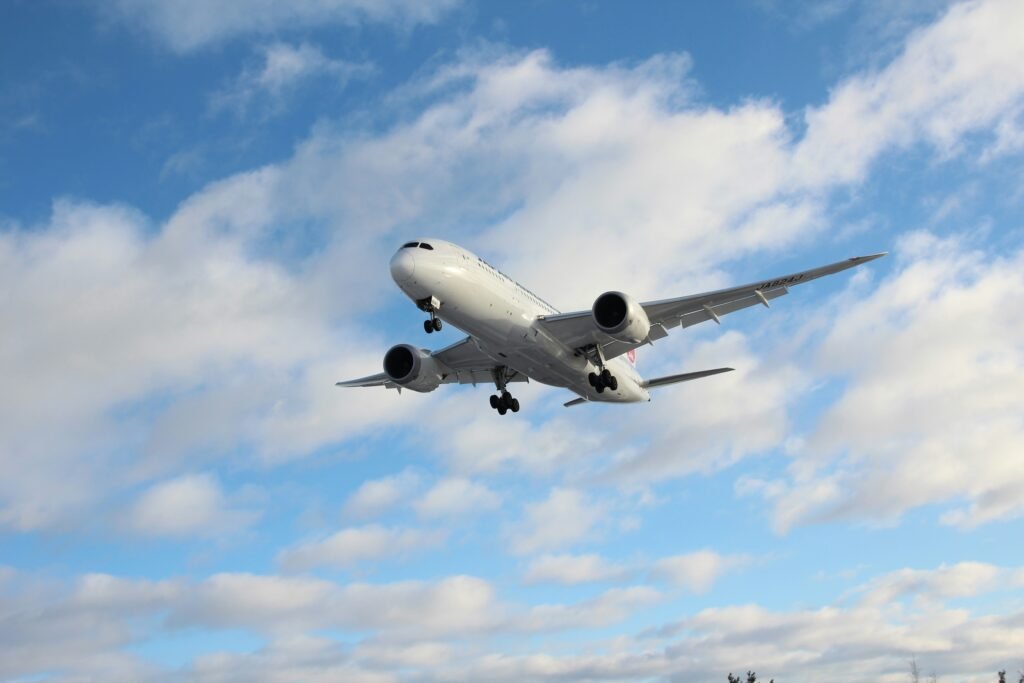
Understanding the anatomy of a passenger airplane is essential for grasping how these remarkable machines operate. At the heart of any aircraft is the fuselage, which serves as the central body of the airplane. This elongated structure houses passengers and cargo while providing the necessary aerodynamics for flight. The design of the fuselage is critical, as it must withstand varying levels of pressure and manage the forces exerted upon the aircraft during flight.
Complementing the fuselage are the wings, which are perhaps the most recognized features of an aircraft. Wings are designed to generate lift, enabling the airplane to ascend and maintain altitude. The shape of the wings, known as airfoil, is engineered specifically to optimize airflow and reduce drag, allowing for a more efficient flight. Different designs may be employed based on the airplane’s required speed and maneuverability.
At the rear of the airplane is the tail section, which includes the vertical stabilizer and horizontal stabilizer. The vertical stabilizer ensures stability during flight, preventing unwanted yaw, while the horizontal stabilizer maintains pitch control. Together, these components are essential for the aircraft’s handling and overall stability.
Another vital component of a passenger airplane is the engines, which provide the necessary thrust for takeoff and sustained flight. Modern jet engines are marvels of engineering, using a combination of combustion and turbine technology to achieve high efficiency and power output. The placement and number of engines can vary depending on the aircraft design, with most commercial airplanes utilizing either two or four engines.
The landing gear allows the aircraft to taxi, take off, and land safely. It consists of wheels and struts that absorb the impact during landing and provide support when the aircraft is on the ground. Finally, the cockpit is where pilots operate the aircraft, equipped with advanced avionics and instruments for navigation and control.
In summary, each component of a passenger airplane plays a crucial role in ensuring safe and efficient operation, contributing to the extraordinary capabilities of modern air travel.
The Role of Aerodynamics in Airplane Design
Aerodynamics plays a pivotal role in the design and performance of passenger airplanes. It is the study of the behavior of air as it interacts with solid objects, such as aircraft. The primary objective of understanding aerodynamics in aviation is to ensure that airplanes can fly efficiently, safely, and effectively. Engineers focus on designing shapes that minimize drag while maximizing fuel efficiency. These considerations are critical as they influence an aircraft’s overall performance, affecting its speed, altitude, and fuel consumption.
The airplane’s design must account for various aerodynamic forces, including lift, drag, thrust, and weight. Lift is generated primarily by the wings of the airplane, and its design is crucial for elevating the aircraft off the ground. The shape of the wing, known as an airfoil, is optimized to create a difference in air pressure above and below the wing during flight. A well-designed wing will facilitate smooth airflow, reducing turbulence and enhancing lift generation. Engineers often use computational fluid dynamics (CFD) software to simulate airflow and make informed design choices that support these aerodynamic principles.
Another critical aspect of airplane design influenced by aerodynamics is the fuselage’s shape. A streamlined design helps reduce drag, allowing the aircraft to cut through the air more efficiently. This streamlined approach not only contributes to fuel savings but also enhances passenger comfort by minimizing vibrations and noise. Additionally, features such as winglets—small upward extensions at the tips of wings—further reduce vortex drag, thereby improving overall aerodynamic efficiency. The careful engineering of these components underscores the essential role of aerodynamics in shaping modern passenger airplanes, ensuring they meet the rigorous demands of air travel.
The Invention of the Airplane: A Historical Perspective
The invention of the airplane represents a significant milestone in human innovation, stemming from the quest for controlled flight that dates back centuries. Early concepts of flight can be traced back to ancient civilizations, where myths and inventions illustrated the human desire to soar above the ground. However, it was not until the late 19th and early 20th centuries that this dream began to materialize into reality.
One of the pivotal moments in aviation history occurred in 1903, when Orville and Wilbur Wright successfully conducted the first powered flight at Kitty Hawk, North Carolina. The Wright brothers’ pioneering aircraft, the Wright Flyer, marked a turning point in transportation by showcasing the feasibility of controlled flight. Through meticulous research and experimentation, they developed a three-axis control system, which enabled the pilot to manage the airplane’s pitch, roll, and yaw effectively. This fundamental advancement serves as a cornerstone of modern passenger airplane design.
The development of the airplane did not stop with the Wright brothers. Throughout the following decades, several key innovators contributed to the evolution of flight. Notable figures include Glenn Curtiss, who made significant advancements in aircraft speed and maneuverability, and Charles Lindbergh, whose transatlantic flight in 1927 captured global attention and spurred public interest in air travel. The invention of various technological enhancements, such as the use of all-metal aircraft and early jet engines, further facilitated the transition from open-cockpit biplanes to more sophisticated designs capable of carrying passengers efficiently over long distances.
Societal demands also played a critical role in shaping the airplane. As cities grew and global commerce expanded, the need for speedy transportation solutions became increasingly evident. Airplanes transformed from experimental machines into vital components of the transportation industry, laying the groundwork for the modern passenger airplane as we know it today. The intersection of innovation and societal necessity continues to drive advancements in aviation technology, ensuring the progression of air travel into the future.
Advancements in Aeronautics Technology
The evolution of aeronautics has seen significant advancements that have revolutionized the way passenger airplanes operate, making air travel safer, more efficient, and more comfortable. One of the most notable breakthroughs in this field is the development of jet propulsion systems. These engines have replaced traditional piston engines in commercial aircraft, allowing for greater speed and altitude. Jet engines operate on the principle of thrust, utilizing the expulsion of high-speed exhaust gases to propel the aircraft forward, resulting in enhanced performance compared to older technologies.
Moreover, advances in materials science have greatly influenced the construction of modern airplanes. The incorporation of lightweight composite materials, such as carbon fiber-reinforced polymers, has led to a substantial decrease in aircraft weight. This reduction not only enhances fuel efficiency but also contributes to improved overall performance. Lighter aircraft require less energy to lift off and maintain altitude, which subsequently lowers operational costs and reduces environmental impact. Traditional materials like aluminum are still widely used, but the integration of advanced composites represents a significant shift in engineering paradigms.
Alongside advancements in propulsion and materials, modern aeronautics technology has also focused on enhancing safety features in passenger airplanes. The introduction of fly-by-wire systems, which replace manual flight controls with electronic interfaces, has increased the precision of flight operations. These systems provide pilots with crucial real-time data, improving decision-making and allowing for better handling of adverse conditions. Additionally, innovations in navigation and communication technologies have created more reliable systems that ensure smoother flights and enhance passenger comfort during journeys.
As technological advancements continue to shape the landscape of aeronautics, the future of passenger air travel promises even greater enhancements in performance, safety, and sustainability. This trajectory of innovation reflects a commitment to continually improve the experience of those who rely on airplanes for transportation.
Safety Protocols and Regulations in Passenger Aviation
The aviation industry relies heavily on stringent safety protocols and regulations to ensure the secure transportation of passengers. Regulatory bodies such as the Federal Aviation Administration (FAA) in the United States and the European Union Aviation Safety Agency (EASA) play pivotal roles in establishing and enforcing these standards. Their regulations cover every aspect of aviation, from aircraft design and maintenance to airline operations and passenger safety. These organizations continuously assess and update safety measures in response to technological advancements and emerging threats, ensuring that the industry remains dynamic and responsive.
Airlines and manufacturers implement various safety measures to comply with these regulations. Pre-flight checks and regular maintenance schedules are essential components of an airline’s safety protocols. Every aircraft undergoes rigorous inspections and servicing to identify and rectify potential issues before taking to the skies. Additionally, pilots and crew members are trained extensively in safety procedures, including emergency evacuation protocols and in-flight crisis management. This comprehensive training equips them to react promptly and efficiently should emergency situations arise during flight.
Technological advancements also play a crucial role in enhancing flight safety. Modern passenger aircraft are equipped with sophisticated navigation systems and autopilot features that significantly reduce the likelihood of human error. Moreover, the implementation of advanced communication systems ensures constant connectivity between the aircraft and air traffic control, allowing for real-time updates and rapid response to any unforeseen circumstances. The introduction of safety management systems (SMS) within airlines further fosters a culture of safety, as it encourages the reporting and analyzing of safety-related data, which in turn leads to continuous improvement.
The collective efforts of regulatory bodies, airlines, and technological innovations create an environment where passenger aviation can operate safely and efficiently, instilling confidence in travelers that their well-being is a priority throughout their journey.
The Future of Passenger Air Travel
As we look toward the future of passenger air travel, it is evident that technological advancements will play a pivotal role in shaping the industry. One of the most promising developments is the emergence of electric airplanes. These aircraft have the potential to significantly reduce carbon emissions, thereby addressing the pressing concerns of climate change. With companies investing in electric propulsion systems and battery technologies, the prospect of quieter, more efficient aircraft is becoming a reality. Major manufacturers are already testing prototypes, bringing us closer to an era where sustainable travel becomes the norm.
In addition to electric airplanes, advancements in sustainable aviation fuels (SAFs) are likely to revolutionize air travel. SAFs, derived from renewable resources, can reduce lifecycle greenhouse gas emissions by up to 80% compared to conventional jet fuels. The increasing adoption of these fuels by major airlines signifies a commitment to a greener future. Collaboration between governments, industry stakeholders, and researchers will be crucial in enhancing the production and availability of SAFs, ensuring that the aviation sector moves towards a more environmentally responsible model.
Moreover, the dynamics of air travel are poised to change due to shifts in consumer behavior, especially in the wake of global events such as pandemics or economic shifts. The rise of remote working has made flexibility in travel choices more prominent. Airlines may need to adapt by offering personalized travel experiences and enhanced digital solutions for booking and managing flights. Additionally, the growing importance of health and safety will likely influence passenger preferences, prompting airlines to innovate further in cabin designs and hygiene protocols.
Ultimately, the convergence of technology, sustainability, and evolving consumer behavior will dictate the future landscape of air travel. As the industry continues to innovate and adapt, these transformations promise to enhance the experience of passengers while minimizing environmental impact.
Conclusion: The Impact of Passenger Airplanes on Society
The invention of passenger airplanes has had a profound influence on society, reshaping the dynamics of travel, commerce, and intercultural exchange. By drastically reducing travel time between distant locations, airplanes have made the world more accessible, promoting globalization in unprecedented ways. This rapid connectivity allows individuals from different backgrounds to meet, collaborate, and share ideas, fostering international partnerships and alliances. As a result, businesses can expand their reach and economies can thrive, contributing to overall economic growth.
Moreover, the airline industry has become a major contributor to job creation. From airline crew members and airport staff to operations and maintenance personnel, countless employment opportunities have emerged due to the expansion of air travel. The industry also stimulates ancillary sectors, including tourism, hospitality, and international trade. This interconnectedness illustrates the critical role that passenger airplanes play in not just moving people but also in driving global economic development.
Another significant impact of passenger airplanes lies in their ability to facilitate cultural exchange. Air travel encourages the sharing of traditions and values, allowing people to experience diverse cultures firsthand. This exposure fosters understanding and empathy, which are essential in today’s interconnected world. Travelers can immerse themselves in new environments, forming connections that transcend geographical boundaries. As these social interactions increase, they contribute towards breaking down stereotypes and enhancing global cooperation.
In conclusion, the invention of passenger airplanes has fundamentally transformed human interaction and travel, making the world more interconnected than ever before. As society continues to evolve, the role of aviation in shaping our economic, cultural, and social landscapes will remain vital, prompting ongoing discussions about the future of air travel and its implications for humanity.
About the Author